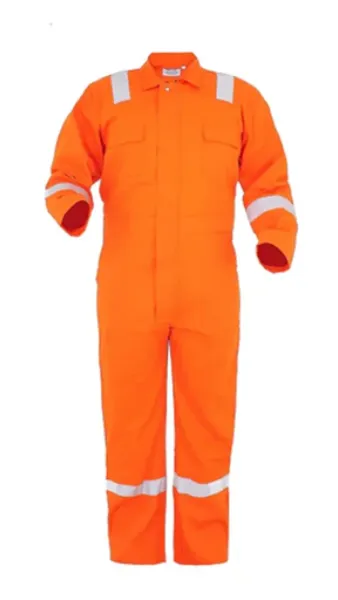
Personal protective equipment is one of the most effective ways to reduce workplace injuries, and industrial coveralls play an important role in protecting workers from everyday occupational hazards. Whether employees are exposed to dust, chemicals, sparks, grease, paint, or airborne contaminants, the right coverall acts as a protective barrier between the worker and the surrounding environment.
However, not every coverall is suitable for every industry. A garment designed for a pharmaceutical facility may not provide adequate protection in a welding workshop, while a lightweight disposable coverall may not withstand the demands of heavy engineering work. Understanding the purpose, material, and protective features of industrial coveralls helps businesses make informed purchasing decisions.
With manufacturing, automotive, engineering, and warehousing industries continuing to grow in Talegaon, selecting the appropriate protective clothing has become an essential part of workplace safety planning.
What Is an Industrial Coverall?
An industrial coverall is a one-piece protective garment designed to cover most of the body during work. It helps protect workers from physical, chemical, and environmental hazards while also preventing contaminants from reaching clothing underneath.
Depending on the application, coveralls are available in reusable and disposable options and are manufactured using materials that offer varying levels of protection.
They are commonly used in industries where cleanliness, worker safety, and contamination control are important.
Why Are Coveralls Important in Industrial Workplaces?
Daily industrial operations expose employees to several workplace hazards that can affect both health and productivity. Proper protective clothing helps minimize these risks while creating a safer work environment.
Industrial coveralls offer several benefits, including:
- Protection against dust and dirt
- Reduced exposure to oils and grease
- Shielding from chemical splashes
- Protection during painting operations
- Prevention of contamination in clean environments
- Improved worker hygiene
- Enhanced compliance with workplace safety standards
When employees wear appropriate protective clothing, businesses can also reduce clothing damage and improve overall operational efficiency.
Choosing the Right Coverall for Your Industry
Every workplace has different safety requirements. Selecting a coverall should begin with identifying the hazards employees face during routine operations.
Manufacturing and Engineering
Workers handling machinery, fabricated components, or industrial equipment require durable coveralls that resist abrasion while allowing comfortable movement throughout long shifts.
Chemical Industries
Chemical processing facilities should choose coveralls made from materials that provide resistance against chemical splashes and hazardous substances.
Automobile Workshops
Mechanics and technicians often work with lubricants, fuels, and grease. Reusable coveralls with stain-resistant properties are commonly preferred for these environments.
Pharmaceutical and Food Processing
Industries where cleanliness is critical frequently use lightweight, lint-free coveralls to reduce contamination risks while maintaining hygienic production standards.
Construction and Infrastructure Projects
Construction workers benefit from durable coveralls that provide protection against dust, debris, and minor abrasions while allowing flexibility during physical tasks.
Disposable vs Reusable Coveralls
One of the most common purchasing decisions involves choosing between disposable and reusable coveralls.
Disposable Coveralls
These are ideal for applications involving contamination control or single-use protection.
Advantages include:
- Lightweight construction
- Reduced risk of cross-contamination
- Convenient disposal after use
- Suitable for cleanroom and inspection work
Reusable Coveralls
These are designed for repeated industrial use and are commonly selected for manufacturing and maintenance operations.
Advantages include:
- Long-term cost savings
- Greater durability
- Better resistance to daily wear
- Environmentally responsible when maintained properly
The right choice depends on operational requirements, exposure levels, and workplace safety policies.
Features to Look for Before Buying Industrial Coveralls
Purchasing protective clothing involves more than selecting the correct size.
Important considerations include:
- Durable fabric quality
- Comfortable fit for extended wear
- Breathable material for improved comfort
- Strong stitching for longer service life
- Easy movement during work
- Resistance to workplace hazards
- Secure zipper or closure system
- Availability in multiple sizes
Well-designed coveralls improve employee comfort, encouraging consistent use throughout the workday.
Common Mistakes Businesses Should Avoid
Some organizations purchase coveralls based only on price, overlooking important safety requirements.
Common mistakes include:
- Selecting materials unsuitable for workplace hazards
- Ignoring employee comfort
- Providing incorrect sizes
- Reusing disposable coveralls
- Delaying replacement of damaged garments
- Choosing poor-quality fabrics that wear out quickly
Regular inspections and timely replacement help ensure protective clothing continues to perform effectively.
Maintaining Industrial Coveralls
Proper maintenance extends the life of reusable coveralls and helps preserve their protective qualities.
Good maintenance practices include:
- Washing according to manufacturer guidelines
- Inspecting for tears or damage before reuse
- Replacing garments with compromised protection
- Storing coveralls in clean, dry environments
- Separating contaminated clothing from clean garments
A well-maintained PPE program improves both worker safety and long-term cost efficiency.
Selecting a Reliable Industrial PPE Supplier
When sourcing industrial coveralls, procurement teams should evaluate suppliers based on product quality, consistency, and industry expertise.
Look for providers that offer:
- Industrial-grade protective clothing
- Multiple fabric options
- Disposable and reusable models
- Consistent product availability
- Reliable quality standards
- Guidance in selecting suitable PPE for different industries
Many manufacturing companies in Talegaon prefer working with experienced industrial safety suppliers that understand workplace protection requirements. Shree Krishna Safety Products offers a wide range of industrial coveralls and other personal protective equipment designed to meet the safety needs of manufacturing units, engineering companies, logistics businesses, and industrial facilities.
Final Thoughts
Industrial coveralls are more than just workwear—they are an essential part of workplace safety. Selecting the right type based on industry requirements, employee exposure, and operational conditions helps reduce risks while improving comfort and compliance.
For businesses operating in Talegaon, investing in quality protective clothing supports safer workplaces, protects employees from everyday hazards, and contributes to a stronger safety culture across manufacturing and industrial operations.
Keywords