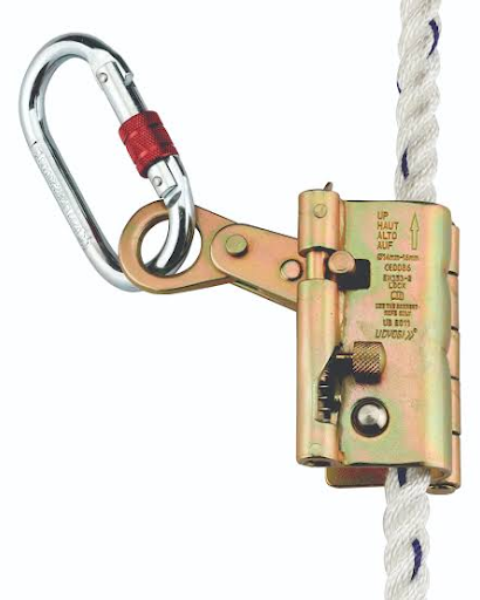
Working at height requires equipment that matches the actual fall hazard, movement pattern, anchorage arrangement, and working environment. An Udyogi Fall Arrester may form part of a fall-protection system where workers need controlled movement while remaining connected to suitable safety equipment.
For industrial facilities and contractors operating across MIDC areas in Maharashtra, choosing fall-protection components without reviewing the complete system can lead to compatibility and usability problems.
Define the Work Before Choosing an Udyogi Fall Arrester
Start by identifying exactly what the worker will do.
Will the employee move vertically, horizontally, or within a restricted area? Is the task temporary maintenance, routine inspection, construction, installation, or equipment servicing?
Understanding the movement pattern helps safety teams evaluate what type of fall-protection arrangement may be appropriate.
Important details include:
- Working height
- Access method
- Anchorage position
- Available clearance
- Frequency of movement
- Environmental conditions
- Worker equipment
- Rescue arrangements
Without these details, product selection can become guesswork.
Check System Compatibility
Fall protection involves multiple components that need to work together.
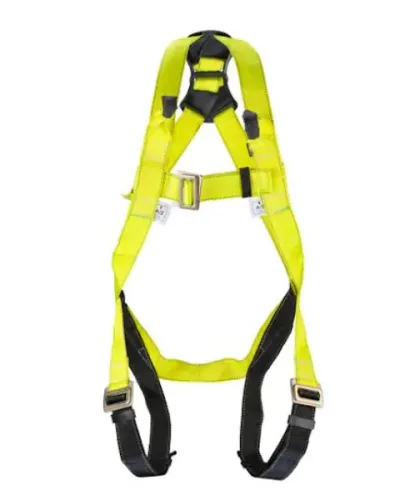
The fall arrester, connecting equipment, anchorage, harness, and associated components should be evaluated as a system. Buyers should avoid mixing equipment simply because individual connectors appear physically compatible.
Technical specifications and manufacturer guidance should be reviewed before components are combined.
Consider Fall Clearance
Available space below a worker is an important part of fall-safety planning. An arrangement that may be suitable in one location may not provide the same outcome where clearance is restricted.
Safety teams should assess the work area and equipment characteristics before approving the system.
This is one reason generic height-safety kits should not automatically be applied to every elevated task.
Review Environmental Exposure
Industrial conditions can affect fall-protection equipment.
Dust, moisture, chemicals, sharp edges, heat, welding activity, and outdoor weather exposure may all influence product suitability or maintenance requirements.
A detailed site description helps procurement teams and suppliers discuss equipment more accurately.
Establish Inspection Responsibilities
Fall-protection equipment requires systematic inspection.
Before use, workers should check visible components for damage or abnormal conditions. Formal periodic inspections should also follow applicable requirements and manufacturer recommendations.
Potential warning signs include:
- Damaged webbing
- Deformed metal parts
- Corrosion
- Cracks
- Excessive wear
- Contamination
- Improper operation
- Missing identification
Equipment that has experienced a fall event requires appropriate handling according to the applicable procedure and product guidance.
Ask Better Questions During Procurement
Instead of asking only for the price of a fall arrester, industrial buyers can ask whether the proposed product suits the movement pattern, what compatible components are required, what inspection practices apply, and what technical documentation is available.
Shree Krishna Safety Products supplies PPE and industrial safety products for manufacturing companies, contractors, warehouses, and engineering businesses, including Udyogi Fall Arrester options for applicable work-at-height requirements.
For MIDC procurement teams, a technically informed purchase can reduce the risk of receiving equipment that does not match actual site conditions.
Fall protection should never be treated as a single-product decision. The safest procurement process starts with the work area, evaluates the complete system, confirms compatibility, and supports the equipment with training, inspection, and emergency planning.
Keywords