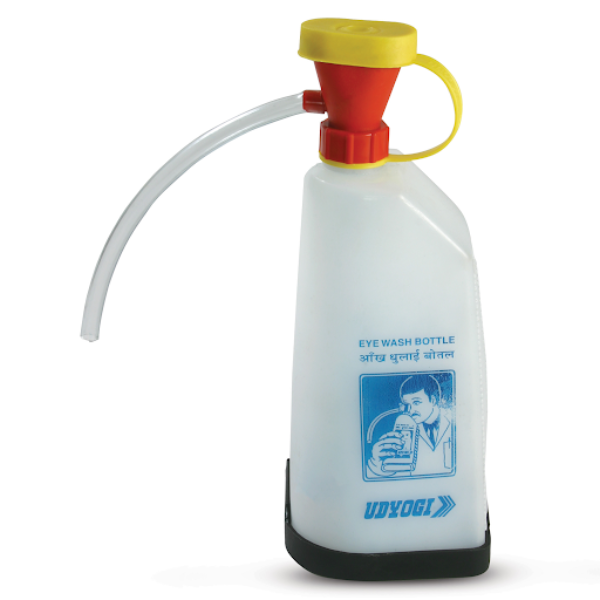
Chemical handling, dust exposure, laboratory activities, production processes, and maintenance work can create situations where harmful substances reach a worker's eyes. When such incidents occur, immediate access to appropriate emergency facilities becomes an important part of workplace preparedness. Udyogi Eye Wash equipment can support emergency response planning in facilities where eye exposure hazards have been identified.
Factories and engineering units in Bhosari, Maharashtra, often operate with chemicals, oils, cleaning substances, process materials, and airborne contaminants. Assessing where emergency eye-washing facilities are needed should therefore be part of a broader workplace risk review.
When Udyogi Eye Wash Becomes Relevant
Eye-wash arrangements are particularly relevant where employees may encounter substances capable of irritating or damaging the eyes.
Potential exposure areas can include:
- Chemical storage sections
- Production lines
- Laboratories
- Maintenance workshops
- Cleaning stations
- Battery handling areas
- Process chemical zones
- Material preparation sections
The exact emergency arrangement should be based on the substances being used and the nature of the potential exposure.
Accessibility Is a Critical Factor
Emergency equipment provides limited value when workers cannot reach it quickly.
An eye-wash point should not be hidden behind stored materials, machinery, locked access points, or other obstructions. Employees working in the relevant hazard area should know exactly where it is located.
Facilities should also consider whether the route remains accessible during normal production conditions. A pathway that looks clear during an inspection may become obstructed when pallets, tools, containers, or temporary equipment are placed nearby.
Routine Inspection Helps Maintain Readiness
Emergency equipment should not simply be installed and forgotten.
Workplace safety teams can establish inspection procedures that check accessibility, physical condition, cleanliness, identification, and operational readiness according to the manufacturer's guidance and applicable workplace requirements.
Documented checks also make it easier to identify recurring maintenance problems.
Employees Need Clear Emergency Instructions
Workers exposed to chemical or particulate hazards should understand the site's emergency response process before an incident happens.
Training can cover:
- Location of eye-wash equipment
- Immediate actions after exposure
- How the equipment operates
- Internal incident reporting
- Emergency communication procedures
- Further steps required under site safety protocols
Training is particularly important for new employees and contractors who may not be familiar with the facility.
Placement Should Follow Hazard Assessment
Installing emergency equipment simply because another factory has it in a particular location is not a reliable approach. Every facility has a different layout and hazard profile.
Safety teams should map potential eye-exposure areas and evaluate how workers move through the site. This helps determine practical placement based on actual risk.
In Bhosari's industrial environment, workshops and factories can include several operational zones within one property. A single emergency point may not necessarily address every identified exposure area.
Shree Krishna Safety Products supplies industrial safety products for companies assessing PPE and emergency preparedness requirements, including Udyogi Eye Wash solutions. Product selection should be supported by a review of workplace hazards, installation requirements, accessibility, and maintenance responsibilities.
Emergency preparedness is most effective when equipment, employee awareness, and workplace procedures work together. A clearly identified and properly maintained eye-wash arrangement can become an important component of that system wherever eye exposure hazards exist.
Keywords