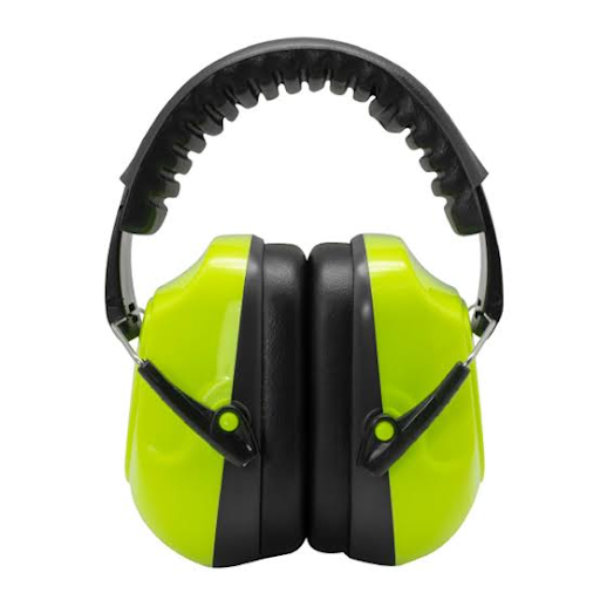
Industrial noise can come from compressors, fabrication machinery, pneumatic tools, generators, presses, grinding operations, and production equipment. Where noise exposure has been identified as a workplace hazard, hearing protection may form part of the control strategy. An Udyogi Earmuff can be considered when businesses need practical hearing PPE suited to the working environment.
For factories in Baramati, Maharashtra, the challenge is not simply finding hearing protection. It is selecting equipment employees can use correctly alongside other required PPE.
When an Udyogi Earmuff May Be Suitable
Earmuffs cover the ears using cushioned cups connected through a headband or compatible mounting arrangement, depending on the product design.
They may be useful in environments where workers need identifiable and relatively straightforward hearing protection.
Possible applications include:
- Fabrication shops
- Machine areas
- Compressor rooms
- Construction activity
- Generator locations
- Heavy engineering operations
- Maintenance work
- Production sections
Selection should be based on an assessment of workplace noise rather than assumptions about how loud an area feels.
Compare Practical Wearing Conditions
A hearing protector that looks suitable on paper may behave differently during an eight-hour shift.
Buyers should consider comfort, weight, adjustability, pressure around the ears, environmental temperature, and interaction with other protective equipment.
For example, workers wearing safety helmets and eye protection may need a hearing solution that remains compatible with those products.
Proper Fit Affects Protection
Earmuff cushions need to sit appropriately around the ears. Anything that interferes with the seal can affect practical performance.
Workers should understand how to position the equipment and identify worn components.
Hair, eyewear, helmet arrangements, and other PPE can also influence fit, making user instruction important.
Noise Control Should Come First
Hearing PPE should not automatically replace workplace noise-control measures.
Where practical, companies should consider whether noise can be reduced through engineering controls, equipment maintenance, isolation, barriers, process changes, or administrative measures.
Personal protective equipment then forms part of the remaining risk-control approach where required.
This broader view is particularly useful in manufacturing plants where employees may move between quieter and louder zones during a shift.
Check Durability and Maintenance Needs
Earmuffs are reused frequently, so hygiene and condition matter.
Safety teams should inspect:
- Ear cushions
- Headbands
- Mounting components
- Cup condition
- Adjustment mechanisms
- Cleanliness
Damaged or heavily worn equipment should be addressed through the site's PPE replacement process.
Shared hearing protection may also require appropriate cleaning practices between users.
Make Procurement Application Specific
Companies comparing hearing PPE should provide suppliers with practical details about the intended environment. This can include the type of work, other PPE being worn, duration of use, number of workers, and identified noise conditions.
Shree Krishna Safety Products supplies industrial PPE, including Udyogi Earmuff options, to businesses assessing workplace safety requirements. For procurement teams in Baramati, working from actual site conditions can make product evaluation more meaningful than selecting solely from a catalogue description.
Effective hearing protection combines workplace noise assessment, suitable controls, correctly selected PPE, employee training, and consistent use. Treating each of these as part of one programme helps businesses build a more dependable approach to occupational hearing safety.
Keywords