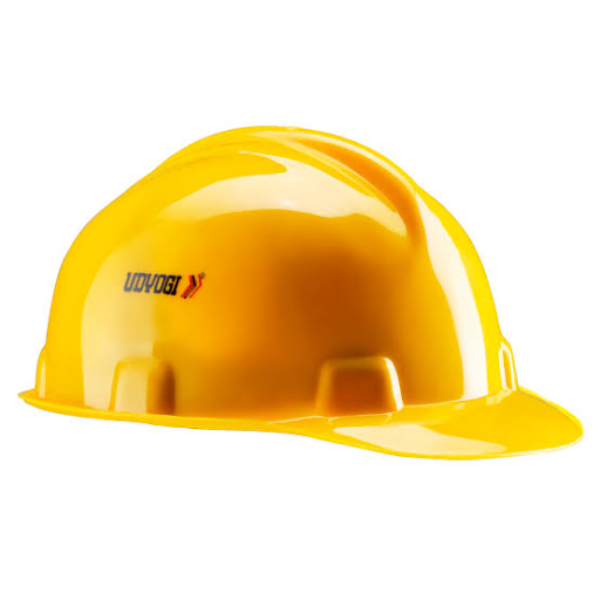
Head protection is a routine requirement across many factories, construction sites, engineering facilities, warehouses, and maintenance environments. Yet selecting an industrial helmet should involve more than choosing a colour and issuing it to workers. An Udyogi Helmet should be evaluated according to the workplace hazard, expected duration of use, fit, compatibility, and required protective characteristics.
For procurement and safety teams in PCMC, Maharashtra, this evaluation becomes particularly useful when several departments have different working conditions.
Match Udyogi Helmet Selection With the Hazard
Industrial head protection may be required where workers are exposed to falling objects, accidental impact, overhead structures, or other identified hazards.
The first step is understanding where employees work and what can realistically happen in that area.
A production employee, construction worker, electrical maintenance technician, and warehouse operator may not necessarily have identical head-protection requirements.
Check the Complete Helmet Assembly
Buyers sometimes focus mainly on the outer shell. However, the complete helmet assembly influences fit and practical performance.
Evaluation points may include:
- Shell condition
- Suspension arrangement
- Headband adjustment
- Chin-strap compatibility
- Ventilation where applicable
- Accessory compatibility
- Weight and comfort
- Relevant product specifications
Workers who wear helmets for long shifts may also place greater importance on comfort and stable adjustment.
Consider Other PPE Used at the Same Time
Industrial workers frequently use more than one form of PPE.
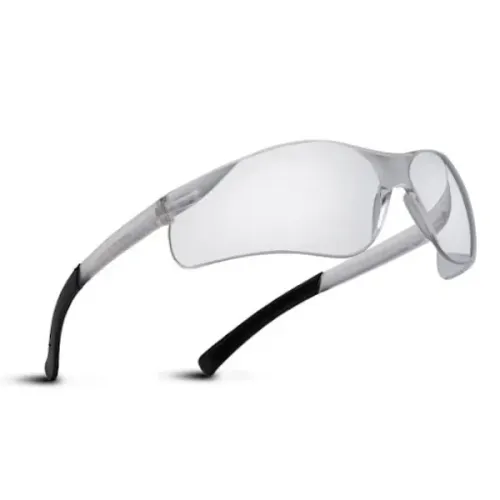
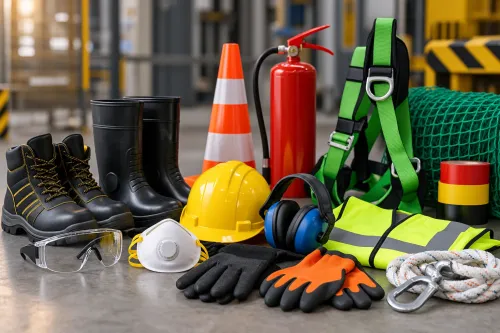
A helmet may need to be worn alongside safety goggles, face protection, earmuffs, respiratory equipment, or other accessories. Products that are individually suitable can become inconvenient when they interfere with one another.
Procurement teams should therefore consider the full PPE combination instead of evaluating each item separately.
Trial use can be particularly helpful when a large quantity is being purchased for employees performing similar work.
Avoid Common Helmet Procurement Mistakes
Several purchasing habits can reduce the effectiveness of a head-protection programme.
These include:
- Choosing entirely on price.
- Ignoring workplace hazards.
- Ordering one size arrangement without checking fit.
- Failing to assess compatibility with other PPE.
- Continuing to use visibly damaged helmets.
- Allowing unapproved modifications.
- Providing equipment without user instruction.
A low initial purchase price may provide little value if the product does not suit the work environment or employees find it difficult to wear correctly.
Establish Inspection and Replacement Practices
Helmets should be inspected routinely for cracks, deformation, damaged suspension components, contamination, and other signs of deterioration.
Exposure to harsh working environments can affect equipment over time. Companies should follow relevant manufacturer guidance and workplace procedures regarding inspection and replacement.
Employees should also know that drilling holes, applying unsuitable chemicals, or making uncontrolled modifications can affect protective equipment.
Evaluate Suppliers on Technical Understanding
For businesses in PCMC, local availability can make replenishment easier, but supply capability should be considered alongside product suitability.
A PPE supplier should be able to discuss application requirements, available configurations, quantities, and related workplace equipment without pushing the same solution for every environment.
Shree Krishna Safety Products works with industrial buyers sourcing PPE such as Udyogi Helmet options for different operational requirements. Procurement teams can improve selection by sharing details about the work area, hazards, other PPE in use, and expected wearing conditions.
The right industrial helmet is ultimately the one that matches the identified workplace requirement and can be worn correctly throughout the task.
Keywords