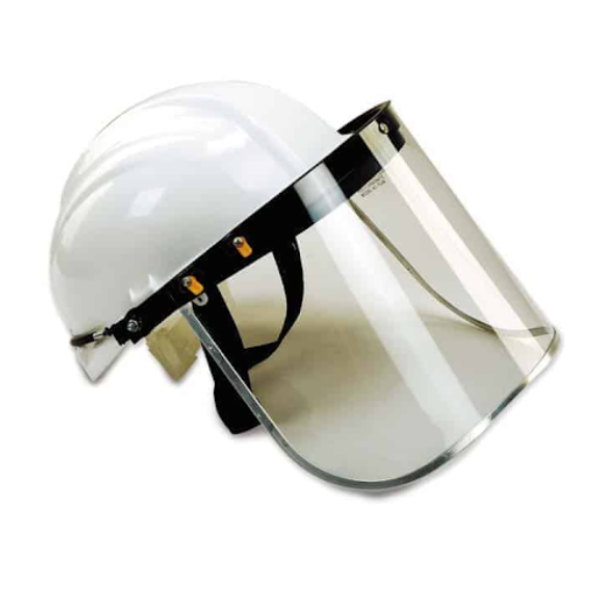
Grinding, cutting, chemical handling, machining, and maintenance work can expose the face to particles, sparks, splashes, and debris. A suitable Udyogi Face Shield can provide broader facial coverage for applications where a workplace risk assessment identifies the need for face protection.
For engineering and fabrication businesses in Bhosari, Maharashtra, one important distinction needs to be understood before procurement begins. A face shield should be selected according to the hazard and used with other required PPE where the task demands additional eye protection.
Identify the Hazard Before Selecting an Udyogi Face Shield
Face shields are available in different configurations because workplace hazards are not identical.
A shield intended for general particle exposure may have different requirements from equipment selected for chemical splash conditions or specialised industrial operations.
Buyers should identify:
- Type of hazard
- Direction of exposure
- Required coverage
- Visibility needs
- Duration of use
- Other PPE being worn
- Working temperature
- Frequency of replacement
This information provides a more useful basis for comparison than choosing from photographs alone.
Understand Eye and Face Protection Roles
A face shield provides broad coverage across the facial area, but companies should not assume that it automatically replaces all other eye protection.
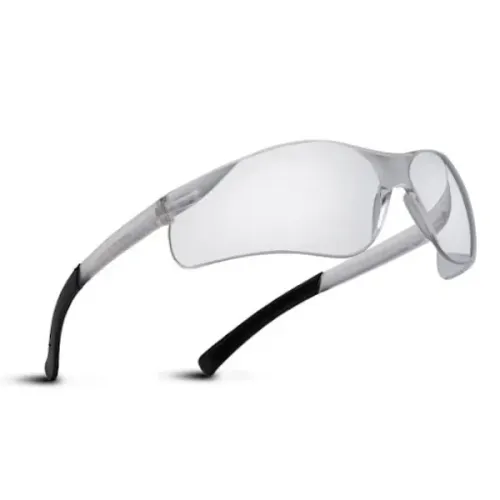
Depending on the task and risk assessment, appropriate safety spectacles or goggles may still be required beneath a face shield.
For grinding operations, for example, particles can travel from different angles. A layered PPE approach may therefore be required based on the identified hazard.
Visibility Can Affect Worker Acceptance
Workers need a clear view of their task, particularly during fabrication, inspection, assembly, and maintenance activities.
Visors that become heavily scratched, contaminated, or difficult to see through can reduce usability. Employees may tilt or lift poorly maintained shields, defeating the purpose of issuing the equipment.
A practical maintenance programme should therefore include visor inspection and replacement.
Evaluate Comfort During Longer Tasks
Face shields can be worn for extended periods in some industrial roles.
Headgear adjustment, overall weight, visor position, ventilation, and compatibility with helmets or respirators can influence comfort.
Where large teams will use the same product regularly, a workplace trial can provide useful feedback before bulk procurement.
Avoid Using Damaged Visors
A shield with cracks, deep scratches, loose components, or damaged headgear should be assessed before further use.
Employees need a simple process for reporting defective PPE and receiving replacements. When replacement is difficult, workers may continue using equipment that no longer provides suitable visibility or fit.
Supplier Evaluation Should Include Application Support
Procurement teams can gain more value by discussing the application rather than requesting only a product quotation.
Information about the work process, number of users, existing PPE, hazard type, and wearing duration can help narrow the available choices.
Shree Krishna Safety Products supplies workplace PPE, including Udyogi Face Shield products, for industrial buyers evaluating face-protection requirements. Businesses in Bhosari can use local supply access to support both planned purchasing and routine PPE replenishment while still keeping technical suitability at the centre of selection.
Face protection works most effectively when the product matches the hazard, employees understand correct use, and damaged components are replaced promptly. Those basic practices can turn PPE procurement into a more structured workplace-safety process rather than a simple purchasing exercise.
Keywords