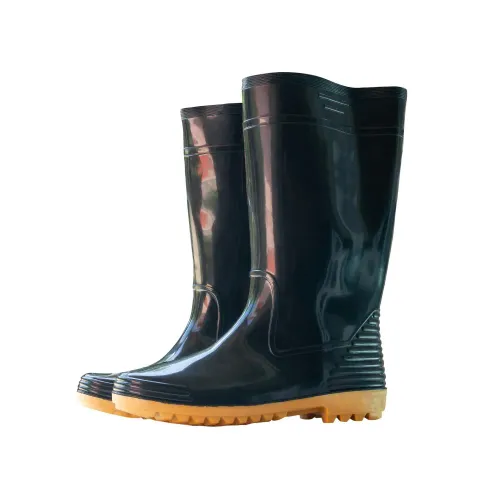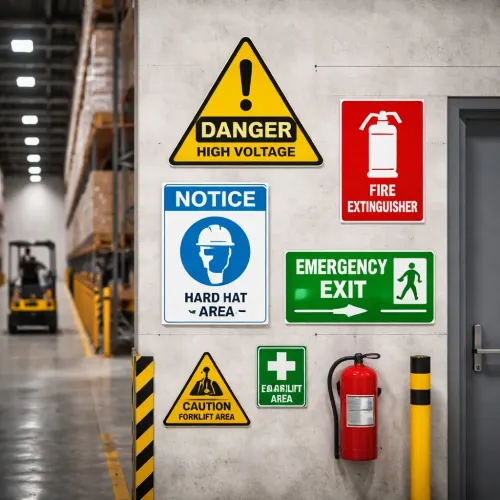
Maintaining clean, safe, and contamination-free work environments is a priority for many industries. While safety shoes protect workers from physical hazards, shoe covers serve a different but equally important purpose. They help prevent dirt, dust, moisture, and contaminants from being transferred between work areas, making them an essential part of workplace hygiene and contamination control.
From pharmaceutical manufacturing and food processing to electronics assembly and healthcare facilities, shoe covers play a vital role in protecting products, equipment, and clean environments. However, many procurement teams face one common question: should they choose disposable shoe covers or reusable ones?
For businesses operating across PCMC, understanding the differences between these options helps improve operational efficiency while meeting workplace hygiene and safety standards.
What Are Shoe Covers?
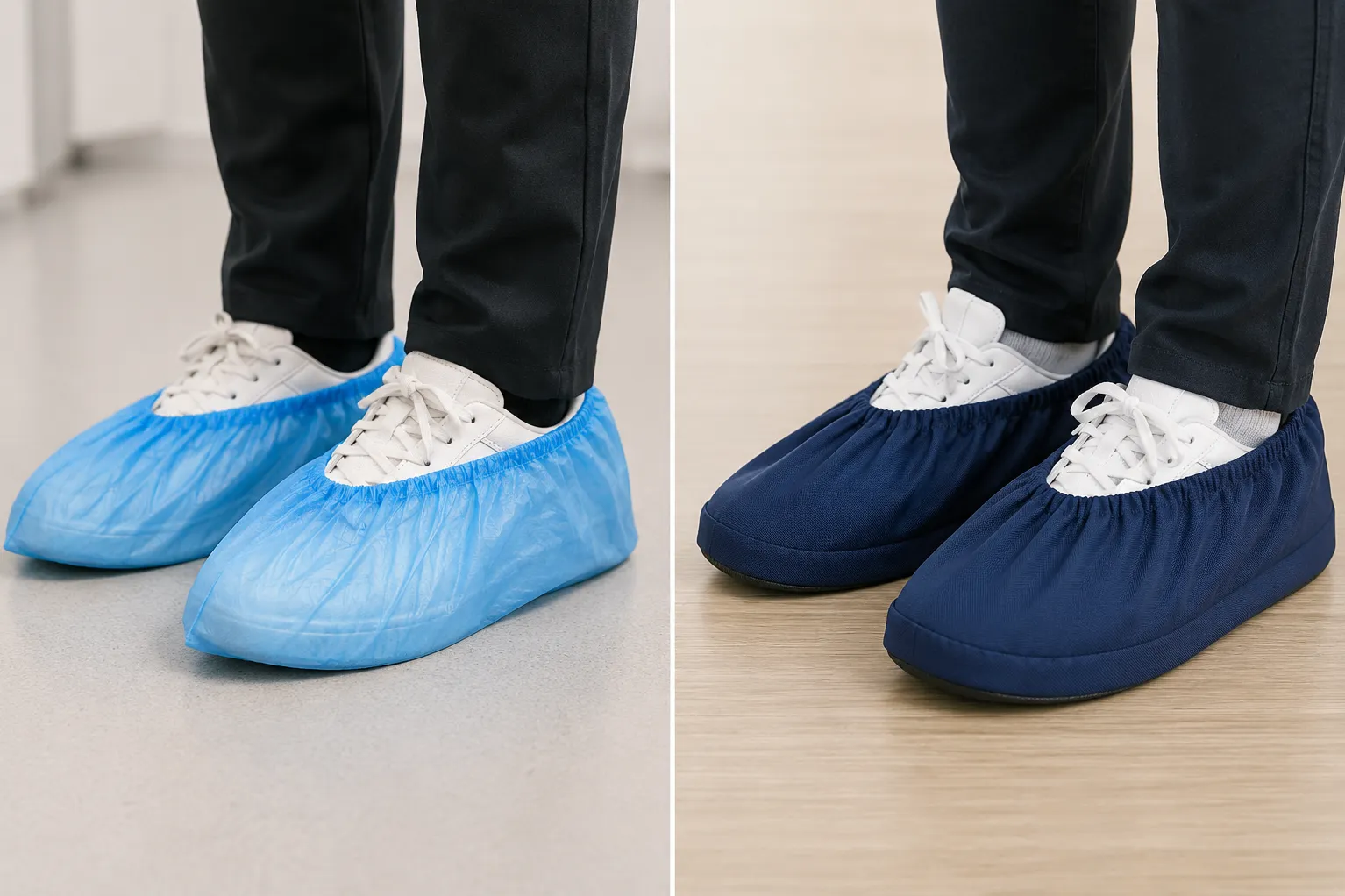
Shoe covers are protective coverings worn over regular footwear or safety shoes. They create a barrier that minimizes the transfer of contaminants from footwear into controlled environments or prevents workplace contaminants from sticking to shoes.
They are commonly manufactured using materials such as non-woven fabric, polyethylene, polypropylene, laminated fabrics, or reusable coated textiles depending on the intended application.
Although simple in design, shoe covers contribute significantly to cleanliness, quality control, and workplace safety.
Why Are Shoe Covers Important?
Footwear can easily carry dust, dirt, bacteria, chemicals, oils, and other contaminants from one area to another. In many industries, this can affect product quality, employee safety, or regulatory compliance.
Using shoe covers helps:
- Reduce contamination in sensitive work areas
- Maintain cleaner production environments
- Protect finished products
- Prevent dirt from entering controlled spaces
- Support workplace hygiene practices
- Minimize cleaning requirements
- Improve compliance with industry standards
For industries where cleanliness directly impacts product quality, shoe covers become an essential component of personal protective equipment.
What Are Disposable Shoe Covers?
Disposable shoe covers are designed for single-use applications. After use, they are discarded, eliminating the possibility of contamination being carried into another work area.
These are commonly used in:
- Pharmaceutical manufacturing
- Hospitals and healthcare facilities
- Laboratories
- Food processing plants
- Cleanrooms
- Electronics manufacturing
- Visitor entry zones
Advantages of Disposable Shoe Covers
Disposable options offer several practical benefits:
- Hygienic single-use protection
- No washing or maintenance required
- Lightweight and comfortable
- Reduced risk of cross-contamination
- Convenient for visitors and contractors
- Easy storage and distribution
They are particularly suitable where contamination control is a top priority.
What Are Reusable Shoe Covers?
Reusable shoe covers are manufactured using durable materials that can be cleaned and reused multiple times.
They are commonly selected for:
- Engineering industries
- Warehouses
- Industrial manufacturing
- Maintenance operations
- Construction support activities
- Logistics facilities
Advantages of Reusable Shoe Covers
Reusable products provide several long-term benefits:
- Greater durability
- Lower replacement frequency
- Reduced long-term operating costs
- Better environmental sustainability
- Suitable for frequent daily use
- Stronger materials for demanding workplaces
For businesses with regular employee usage, reusable shoe covers often provide better value over time.
Disposable vs Reusable Shoe Covers
The right choice depends on workplace conditions, operational requirements, and hygiene standards.
Disposable shoe covers are generally the better option when:
- Maintaining sterile environments
- Managing visitor access
- Preventing cross-contamination
- Performing short-duration tasks
- Working in pharmaceutical or medical facilities
Reusable shoe covers are more suitable when:
- Employees require daily protection
- Durability is important
- Heavy industrial environments are involved
- Long-term operating costs need to be reduced
- Frequent replacement would become expensive
Rather than asking which option is universally better, businesses should determine which solution best fits their operational needs.
Factors to Consider Before Purchasing Shoe Covers
Before selecting a product, procurement teams should evaluate several practical factors.
Consider:
- Type of workplace environment
- Level of contamination risk
- Frequency of usage
- Material durability
- Slip resistance
- Comfort during extended wear
- Ease of disposal or cleaning
- Cost over the product's lifecycle
A proper workplace assessment helps identify the most suitable solution without unnecessary expenditure.
Common Mistakes to Avoid
Despite being relatively simple PPE products, shoe covers are sometimes used incorrectly.
Common mistakes include:
- Reusing disposable shoe covers
- Choosing low-quality materials that tear easily
- Ignoring slip-resistant requirements
- Using reusable covers without proper cleaning
- Providing incorrect sizes
- Failing to replace damaged covers promptly
Proper employee training ensures shoe covers are worn and replaced according to workplace procedures.
Supporting Workplace Hygiene and Compliance
Many industries operate under strict cleanliness and quality standards where contamination control is essential. Shoe covers support these objectives by helping maintain controlled environments and reducing the transfer of unwanted particles.
Quality managers and safety officers often include shoe covers as part of broader PPE and housekeeping programs because they contribute to cleaner facilities and improved operational consistency.
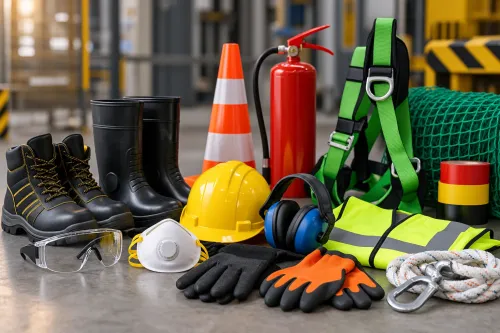
When combined with protective clothing, gloves, masks, and proper sanitation practices, shoe covers become an important element of an effective workplace hygiene strategy.
Choosing a Reliable Supplier
When sourcing shoe covers, businesses should prioritize product quality, consistent availability, and suitability for their specific industry.
Look for suppliers that provide:
- Industrial-grade materials
- Disposable and reusable options
- Reliable product quality
- Multiple size options
- Bulk supply capability
- Guidance for selecting appropriate PPE
Many industries across PCMC rely on experienced PPE providers that understand the requirements of manufacturing, pharmaceutical, engineering, and logistics sectors. Shree Krishna Safety Products supplies a wide range of shoe covers along with other industrial safety products designed to support workplace cleanliness and employee protection.
Final Thoughts
Whether disposable or reusable, shoe covers serve an important role in maintaining workplace hygiene and preventing contamination. The best choice depends on the nature of the work environment, frequency of use, and operational priorities.
For businesses in PCMC, selecting the right shoe covers helps improve cleanliness, protect products, support compliance, and create safer working conditions. By evaluating workplace requirements carefully and investing in quality PPE, organizations can strengthen both operational efficiency and employee safety.
Keywords