Acid, alkali, solvent, cement dust, metal particles and fibres can injure the eye before a worker reaches a medical room. By the end, you will know which eyewash format fits the hazard, how to flush correctly, how long to continue, and which installation and maintenance checks make the equipment usable under stress.
Key takeaways
- Flush chemical or particle exposure immediately using clean water or eyewash solution.
- Hold eyelids open and keep flushing while someone checks the safety data sheet.
- Use a portable Udyogi eye-wash bottle when fixed eyewash access is unavailable.
- Place eyewash within immediate reach and inspect its seal, expiry, and contents.
Which workplace exposures require immediate eye flushing?
Immediate eye flushing is required after any chemical eye exposure or particle entry that can injure the cornea, conjunctiva, or eyelids. The decision comes from the chemical inventory and safety data sheet, not the label “chemical” alone.
Acids and alkalis can cause rapid chemical burns; solvents can strip the eye’s protective surface, while reactive materials can continue damaging tissue during delay.
| Exposure | How the eye is damaged | Flush immediately when |
|---|---|---|
| Acids | Chemical burns to the cornea and surrounding tissue | Any splash, mist, or wet residue reaches the eye |
| Alkalis | Deep, progressive tissue injury because the chemical penetrates ocular tissue | Any splash, dust, or contaminated liquid reaches the eye |
| Solvents, powders, and fibres | Irritation, surface damage, or particles trapped beneath the eyelid | Any visible or suspected contact occurs |
| Grinding dust, metal particles, cement, pigments, or abrasive media | Corneal abrasion or embedded debris | Particles enter the eye, even without severe pain |
Dust exposure is not a minor event: rubbing can drive grit across the cornea, and compressed air can worsen the injury. Stop work and flush rather than trying to neutralize a chemical, blow out debris, or search for a supervisor. Keep flushing while another person summons medical help and retrieves the safety data sheet.
Do not delay for contact-lens removal; remove lenses during irrigation only if they come out easily. An eyewash is an emergency control, not a substitute for enclosure, ventilation, housekeeping, or correctly selected eye and face protection.
What should you do in the first seconds after exposure?
Start flushing within seconds of exposure; do not investigate the substance or wait for medical assessment before using the eyewash. Water removes corrosive chemicals and particles while they are still contacting the cornea, so every delay increases injury.
1. Stop work and move to the nearest eyewash immediately. Shout for help as you go. Another person should call emergency services, alert the site response team, and bring the product’s safety data sheet while you begin irrigation.
2. Activate the unit and hold both eyelids open with your fingers. Keep your eyes moving in every direction so water reaches under the lids and across the entire eye surface.
3. Continue the eye flushing procedure for at least 15 minutes. Use a 15-minute eyewash continuously for chemical splashes, powders, fibres and fine particles; follow the safety data sheet if it specifies a longer period or a different medical response.
4. If you wear contact lenses, start flushing immediately and do not delay to remove them. Remove the lenses during irrigation only if they come out easily; never force them against the eye.
5. Get medical evaluation after flushing, even if pain or blurred vision improves. Take the safety data sheet and the chemical container or its exact name to the clinician, and report the exposure through your workplace emergency plan.
How do you use an Udyogi portable eye-wash bottle correctly?
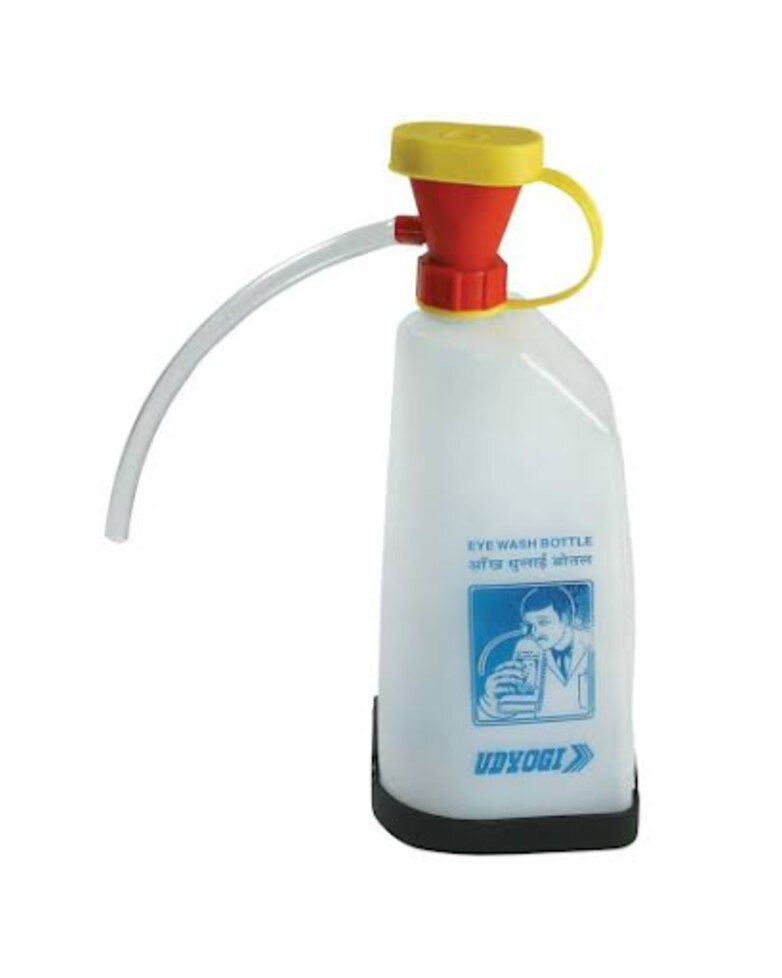
An Udyogi eye wash may refer to a portable eyewash bottle intended for immediate first aid, not necessarily a plumbed emergency station. Use the bottle at once while moving to a full station when the exposure requires prolonged irrigation.
- Break the seal or remove the cap, following the bottle label. Check that the flushing fluid is within its stated use period; do not use a contaminated or expired bottle.
- Position the eyewash nozzle directly over the affected eye. Activate the bottle by squeezing or operating its mechanism as marked, and keep the eyelids open with your fingers.
- Flush continuously. Move the eyes in all directions so fluid reaches beneath the eyelids, and remove contact lenses if they come out easily during flushing.
- Continue toward a compliant eyewash station or obtain medical care. Do not rub the eye, stop to neutralise the chemical, or use compressed air to remove dust.
A portable eyewash bottle provides limited volume and usually cannot deliver both eyes’ simultaneous flushing for 15 minutes at 1.5 L/min (0.4 gal/min), the ANSI/ISEA Z358.1-2014 benchmark for a primary eyewash.
Place a full station within 10 seconds on the same level with an unobstructed route; keep the bottle as immediate backup, not as a substitute for source control, eye protection, or the required station.
Which eyewash format and location fit your workplace?
A bottle suits a small, low-volume splash risk as immediate first aid, not as the site’s only flushing capacity. Choose a primary unit that every exposed worker can reach within 10-second access, without passing through a locked door, climbing stairs or searching for a key.
| Option | Best fit | Limits and checks |
|---|---|---|
| Portable bottle | One worker, mobile work, or a bottle carried toward a nearby station after a splash | Usually lacks the 15-minute volume required for primary protection; check seal, expiry and contamination |
| Gravity-fed eyewash | Areas without a water line, with few workers and a manageable chemical quantity | Maintain a clean reservoir, usable temperature and full capacity; inspect the unit and its expiry or preservative limits |
| Plumbed eyewash station | Several workers, repeated chemical handling, larger quantities or fixed laboratories and production areas | Requires reliable water, drainage, tepid fluid and documented maintenance; ANSI/ISEA Z358.1 calls for both eyes to receive at least 1.5 L/min for 15 minutes |
Place the unit close to the hazard, on the same floor and along an unobstructed route. Water must remain approximately 16–38°C (60–100°F); very cold or hot water can stop flushing early or worsen injury. A plumbed unit must activate hands-free and keep flowing without someone holding a lever.
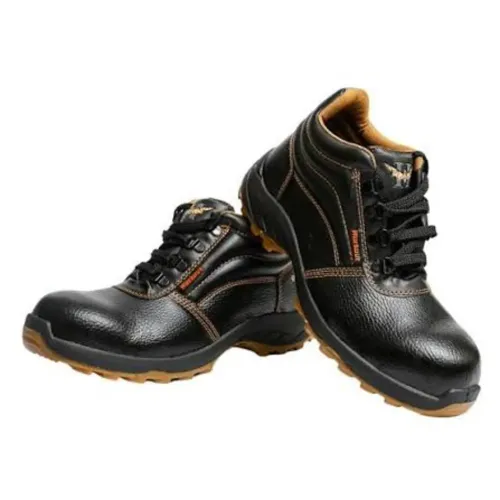
A footwear supplier such as Shree Krishna Safety Products cannot replace this hazard assessment: select eye protection and eyewash capacity from the chemical inventory, worker count and water infrastructure. If no unit meets 10-second access, relocate the work or install another station.
How do you keep an eyewash ready when an emergency occurs?
Keep a plumbed eyewash usable by activating it at least weekly and recording each weekly eyewash inspection. Run both outlets long enough to clear stagnant water, check the spray pattern and hands-free valve, and look for sediment, blocked heads or damaged dust caps.
Tepid water must reach both eyes simultaneously at 1.5 L/min for 15 minutes under ANSI/ISEA Z358.1-2014.
- Complete an annual inspection to confirm conformance, condition, flow and accessibility.
- For a self-contained unit, replace or maintain flushing fluid according to the manufacturer’s instructions. Protect the reservoir from contamination and track expiration dates or preservative limits; a sealed or expired cartridge does not prove usable capacity.
- During commissioning, time the route from every exposure point. Confirm a direct, unobstructed path, lighting, signage, hands-free activation and coverage of both eyes. Drill the full 15-minute irrigation period so workers do not stop after a brief splash.
An eyewash is emergency backup, not hazard control by itself. Pair eyewash maintenance with PPE and hazard control:
- Substitute less hazardous chemicals where feasible.
- Use enclosures or local exhaust ventilation.
- Install guards and maintain housekeeping.
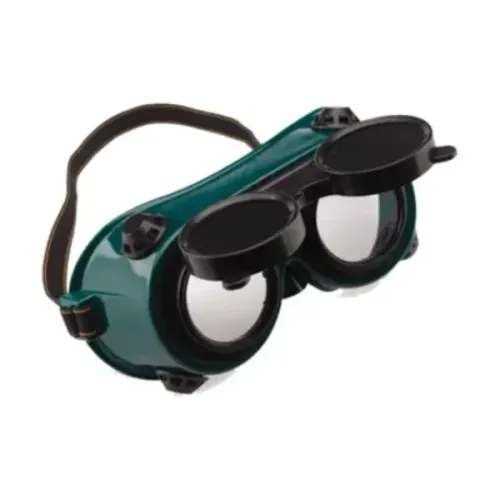
- Select and enforce suitable eye or face protection.
Frequently asked questions
Which workplace exposures require immediate eye flushing?
Flush immediately after chemical splashes, corrosive or irritant liquids, contaminated dust, metal particles, or any exposure identified by the safety data sheet as an eye hazard.
What should you do in the first seconds after exposure?
Reach the eyewash, start flushing, hold both eyelids open, remove contact lenses if they come out easily, and continue flushing while arranging medical help.
How do you use an Udyogi portable eye-wash bottle correctly?
Open the bottle, position the nozzle without touching the eye, squeeze to direct a steady stream across the eye, keep the eyelids open, and follow the bottle label and safety data sheet.
Which eyewash format and location fit your workplace?
Choose a fixed eyewash for regular chemical-use areas and a portable bottle for mobile work or locations without immediate plumbing; place it on a clear, unobstructed route.
How do you keep an eyewash ready when an emergency occurs?
Inspect access, seals, nozzle condition, cleanliness, expiry date, and solution level on a scheduled checklist, then replace damaged or expired units immediately.