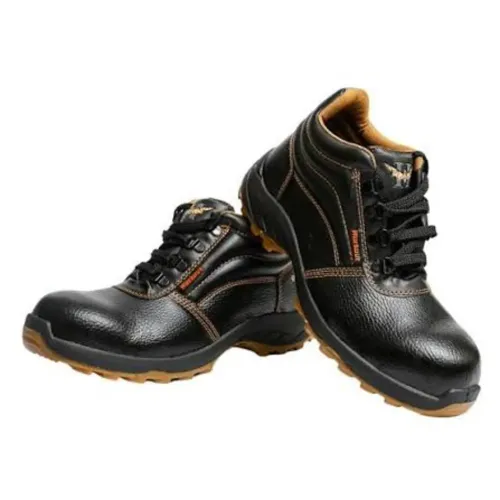
A safety shoe is suitable only when its tested protections match the hazards under your feet and above them. By the end, you will be able to translate workplace risks into markings to request, compare construction and sole materials, and reject a shoe whose name does not prove the protection you need.
Key takeaways
- Start with the injury mechanism and task exposure, not the shoe category.
- Check markings for toe impact, sole penetration and electrical protection.
- Choose chemical, heat, slip or electrical protection only when the job requires it.
- Replace footwear when the sole, upper, toe cap or protection markings no longer meet the task.
Start with the hazard, not the shoe category
A hazard assessment converts industrial workplace hazards into measurable footwear requirements. Walk through each task, identify the injury mechanism, and record where exposure occurs: falling objects, rolling objects, sharp scrap, liquid chemicals, heat, electricity, or loss of traction.
- Falling objects: specify a toe cap with a documented impact rating; rolling objects also require a verified compression rating. “Steel toe” alone proves neither performance level.
- Sharp scrap, nails, or wire: specify a penetration-resistant midsole and confirm its test marking under IS 15298 or EN ISO 20345.
- Wet floors, oil, mud, or food-processing residue: require an outsole with documented slip performance, then match the tread to the floor and contaminant.
- Energised electrical work: verify the shoe’s electrical-resistance classification and treat it as secondary protection. ASTM F2413 electrical-hazard footwear is not a substitute for insulating equipment or electrical safe-work practices.
- Molten metal, hot surfaces, or foundry work: specify heat-resistant construction and soles tested for the actual temperature and contact duration.
- Blades, sheet metal, or fabrication work: request a documented cut-resistance level; a toe cap does not protect the ankle, upper, or instep.
Record the chemical name, concentration, temperature, and contact time before selecting chemical-resistant footwear. “Oil resistant” does not establish protection from solvents, acids, or caustics.
Finally, include fit in the specification: adequate toe clearance, secure instep, and minimal heel lift. A technically compliant shoe that causes instability or gets removed during a long shift has failed the hazard assessment.
Read the markings for impact, penetration and electrical protection
A “steel toe” label is not enough. Check the tongue, box, or conformity document for the standard and the tested designation under IS 15298 or EN ISO 20345. Toe-cap impact and toe-cap compression are separate tests: passing one does not prove the other.
| Hazard | Marking or evidence to demand | What it proves |
|---|---|---|
| Falling or rolling objects | Toe-cap impact and toe-cap compression designation under the named standard | The toe cap was tested against impact and crushing force |
| Sharp scrap or nails | Penetration marking such as P, PL or PS, plus the insert type and coverage | The tested sole area resisted penetration by the specified method |
| Electrical exposure | Electrical-hazard marking to a named standard, such as ASTM F2413 EH or EN 50321-1 | The footwear was tested for electrical shock protection under stated conditions |
Do not treat P, PL or PS as proof that every part of the shoe is puncture-proof. Nails can enter through the welt, sidewall, upper, toe gaps or areas outside the insert, while worn soles and damaged inserts reduce protection.
Antistatic or static-dissipative markings solve a different problem: they control charge build-up. They do not replace electrical-hazard footwear. Confirm the site’s grounding and ignition-control requirements before choosing between them.
A conventional toe cap also leaves the foot top behind it exposed. Where castings, tools or drums can strike there, require a separate metatarsal-impact designation.
Match specialist protection to the job
A toe cap protects the toes, not the top of the foot behind it. Require metatarsal protection when castings, drums or tools can strike that area; look for an M designation under EN ISO 20345, not merely a safety-toe claim.
Ask for feature-specific evidence when any of these hazards appears in your assessment:
- Sharp sheet, glass or blades: specify documented cut resistance, such as the CR marking and its test information. A toe cap will not stop a blade slicing the upper.
- Hot floors or metal: require heat resistance matched to the exposure. HRO identifies outsole resistance to hot contact; it does not prove protection from molten-metal splash entering through seams, the tongue or the upper.
- Acids, caustics, solvents or process chemicals: demand chemical resistance for the named chemical, concentration, temperature and exposure time. An oil-resistant nitrile outsole says nothing about the lining, adhesive or stitching.
- Standing water, washdown or rain: distinguish water penetration and absorption from whole-shoe water resistance. Look for documented WPA or WR performance under EN ISO 20345.
- Oil, water, food residue, swarf or hydraulic fluid: require slip testing against the contaminant and floor you actually have. “Slip-resistant” and deep tread alone do not establish traction.
- Falling objects striking behind the toe: choose metatarsal protection; a conventional toe cap leaves that region exposed.
Replace footwear when cracked soles, chemical swelling, worn tread, delamination or damaged protective inserts remove the tested function, regardless of its age.
Compare soles, uppers and fit for real working conditions
A PU sole suits long shifts because it is light and cushioned, but prolonged heat, hydrolysis and harsh chemicals can shorten its life. A PVC sole handles wet floors and routine oil exposure well, yet it is heavier and less comfortable for constant walking. Choose by the exposure, not by material name alone.
| Component | Wet conditions | Oily or abrasive conditions | Long-shift effect |
|---|---|---|---|
| PU sole | Good for splash and damp floors; specify waterproof construction for immersion | Use only with documented slip and oil testing; oil resistance does not prove solvent resistance | Light, flexible cushioning; inspect for cracking and wear |
| PVC sole | Useful for wet processing areas and wash-down work | Resists many routine contaminants, but confirm the exact chemical and concentration | Durable, but weight and reduced flexibility can increase fatigue |
| Plain leather | Breathable and suitable for temporary splash; it can leak during prolonged wet exposure | Tough against abrasion; oil and chemicals can damage the hide, seams or finish | Comfortable after break-in, with regular cleaning and conditioning |
| PU upper | Easy to clean and suitable for splash when seams and closure are protected | Check resistance for the named chemical; the outsole rating does not cover the upper | Flexible, but reduced breathability can increase sweat |
For wet outdoor work, check whether the marking says water-resistant footwear or waterproof construction; these are not interchangeable. For oily floors, demand slip-test evidence and a tread that clears fluid. For abrasive work, inspect stitching, toe overlays and sidewalls.
Fit decides whether protection survives a twelve-hour shift. Leave toe room without allowing heel lift, match the shoe to your work socks, and test it near the end of a shift when feet swell. In foundries, specify molten-metal protection separately from a heat-rated outsole.
Build a purchase and replacement checklist for Everest safety shoes
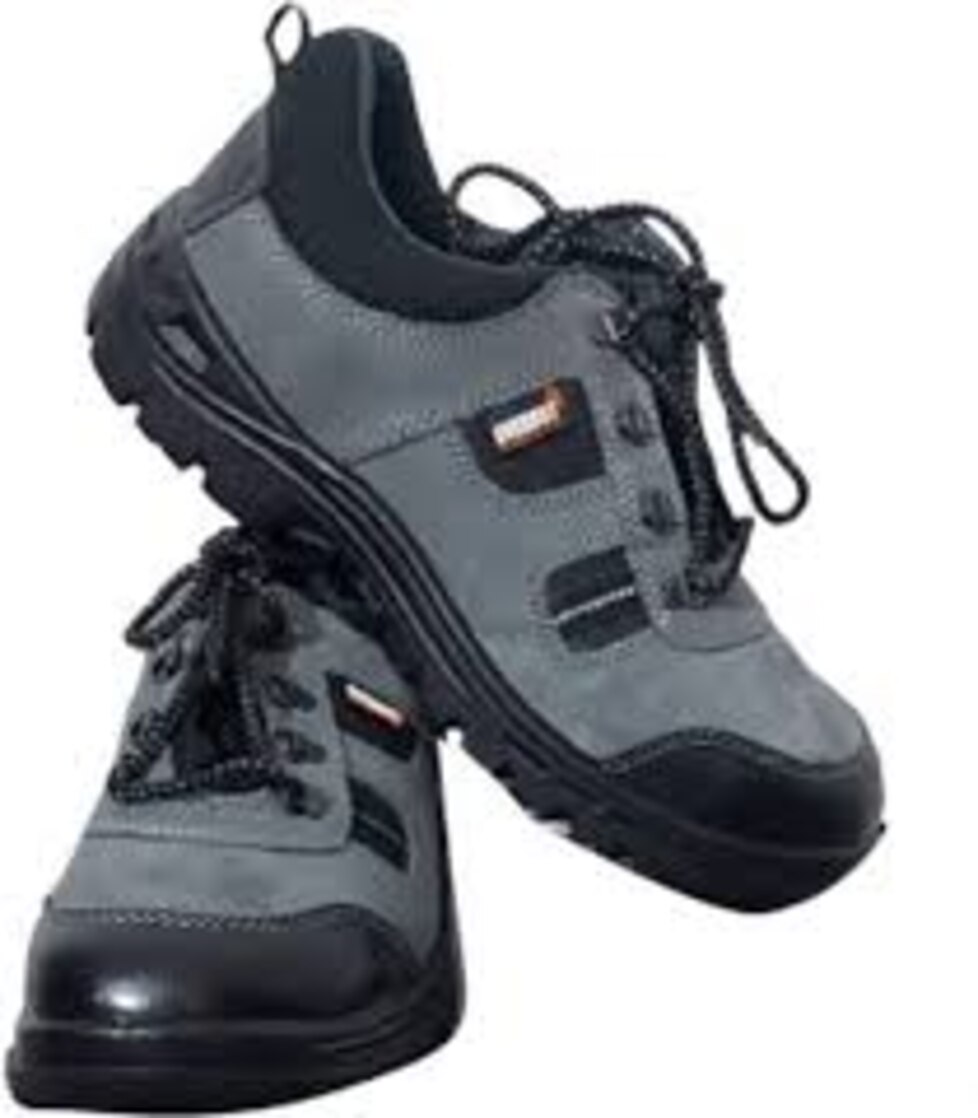
Do not approve Everest safety shoes from a catalogue photograph. Ask the supplier to document the exact protection claimed for the hazards in your assessment, then retain those records with the purchase order.
1. State the standard and certification basis, such as IS 15298 or EN ISO 20345. Request the model’s test marking as printed on the tongue, label or box, plus the conformity document naming the model, manufacturer, standard and tested protection.
2. Separate toe-cap impact from compression. Ask for the impact rating and compression rating, test results or designation for each; “steel toe” alone proves neither performance level.
3. Identify the slip-resistance test method, contaminant and surface. Oil, water, metal swarf and food residue need different evidence, and tread depth is not a substitute for a result.
4. For sharp scrap, record the puncture standard and designation, including the insert type, probe method and force. Do not treat ASTM PR and EN ISO 20345 claims as interchangeable.
5. Request evidence for electrical, metatarsal, cut, heat, chemical and water protection when the workplace requires it. Ask whether water protection means splash resistance, waterproof construction or a waterproof boot.
6. Obtain the size range, fitting method, batch number and written replacement criteria. Replace footwear after cracked soles, exposed toe caps, delamination, worn tread, chemical swelling or damaged inserts.
Shree Krishna Safety Products can use this checklist to match a PU, PVC or leather construction to the exposure rather than treating material or appearance as proof of protection.
Related products
 | PU Sole Plain Safety Shoes We are the manufacturer of PU Sole Plain Safety Shoes View product → |
 | Ladies Safety Shoes We are the manufacturer of Ladies Safety Shoes View product → |
Frequently asked questions
How do you choose Everest safety shoes for an industrial workplace?
List each task hazard first, then match the shoe to falling or rolling objects, sharp scrap, chemicals, heat, electricity and slip exposure.
What safety shoe markings should you check?
Read the product marking and test documentation for toe impact protection, penetration resistance, electrical protection and any specialist protection claimed.
When do you need specialist protection in safety shoes?
Choose specialist protection when your work includes chemical handling, hot surfaces, electrical exposure, wet floors or other hazards that standard toe protection does not address.
What should you compare besides the safety rating?
Compare sole grip, upper material, water resistance, flexibility, closure, toe-room, cushioning, fit and performance in the actual working environment.
When should industrial safety shoes be replaced?
Replace them when the sole loses its tread, the upper splits, the toe area is damaged, the lining exposes hard components or markings and documentation no longer support the required protection.
Related products
 | PVC Sole PU Upper Safety Shoes PVC Sole PU Upper Safety Shoes We are the manufacturer of PVC Sole PU Upper Safety Shoes View product → |
 | PVC Sole Plain Leather Safety Shoes PVC Sole Plain Leather Safety Shoes We are the manufacturer of PVC Sole Plain Leather Safety Shoes View product → |
 | Cut Safety Shoes We are the manufacturer of Cut Safety Shoes View product → |
PU Sole Safety Shoes We are the manufacturer of PU Sole Safety Shoes View product → |