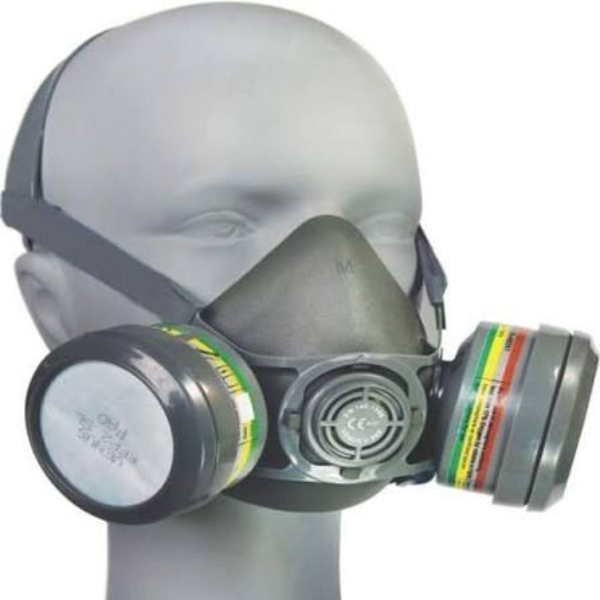
Dust, airborne particles, fumes, and other contaminants can be present in manufacturing, construction, material handling, maintenance, and processing environments. When respiratory hazards have been identified, selecting a suitable Venus Safety Mask should be based on the contaminant, exposure conditions, task, fit requirements, and workplace control strategy.
For factories and industrial operations in Baramati, Maharashtra, respiratory PPE procurement should begin with hazard identification rather than purchasing masks solely because they are commonly used in another facility.
Identify the Hazard Before Choosing a Venus Safety Mask
The term safety mask can cover products intended for different applications. Not every mask provides the same type or level of protection.
Safety teams should first understand what employees may be exposed to.
Relevant questions include:
- What contaminant is present?
- Is the hazard particulate based?
- How is the contaminant generated?
- How long does exposure occur?
- What is the workplace environment?
- What other controls are already in place?
- What PPE must be worn simultaneously?
Where occupational exposure assessment is required, the respiratory-protection decision should be supported by appropriate workplace evaluation.
Respiratory PPE Is Not a Substitute for Hazard Control
Masks should not become the default solution when exposure can be reduced through better process controls.
Industrial facilities can consider measures such as local exhaust ventilation, dust extraction, enclosure, isolation, housekeeping improvements, equipment maintenance, and process modification.
Respiratory PPE may then form part of the remaining protection strategy where required.
Fit Is Essential
A respiratory product can only perform as intended when it is used correctly.
Depending on the type of respirator, facial fit and seal can be important. Workers should receive suitable instruction on wearing, adjustment, inspection, and disposal or replacement.
Facial characteristics and other PPE can influence fit, so a one-size purchasing assumption may not always be appropriate.
Consider Comfort During Extended Wear
Factories where employees wear respiratory PPE for long periods should evaluate practical comfort alongside technical suitability.
Breathing resistance, heat, communication needs, movement, compatibility with eyewear, and wearing duration can influence user experience.
Trial evaluation can be useful before a company standardises a particular product across a large workforce.
Plan Consumption and Replenishment
Many respiratory products require regular replacement according to their design, condition, workplace exposure, and applicable guidance.
Procurement teams should estimate usage based on workforce size and working patterns rather than waiting until stocks become critically low.
A simple inventory system can track:
- Average consumption.
- Department-wise usage.
- Minimum stock levels.
- Replacement frequency.
- Upcoming project requirements.
- Contractor requirements.
This can improve availability without encouraging unnecessary overstocking.
Choose a Supplier That Can Support Ongoing PPE Needs
Businesses purchasing respiratory PPE regularly need more than a one-time quotation. Product availability, consistent supply, clear specifications, quantity support, and access to related PPE can all affect procurement efficiency.
Shree Krishna Safety Products supplies industrial safety equipment, including Venus Safety Mask products, for manufacturing companies, engineering industries, contractors, warehouses, and facility teams.
For organisations in Baramati, discussing the actual work environment with the provider can make it easier to identify suitable product options and plan recurring requirements.
Respiratory protection is most effective when hazard assessment, workplace controls, appropriate PPE, correct fit, employee instruction, and replacement planning are treated as connected responsibilities. A structured purchasing process helps ensure that respiratory PPE is selected for the work employees actually perform rather than simply added to a general safety checklist.
Keywords