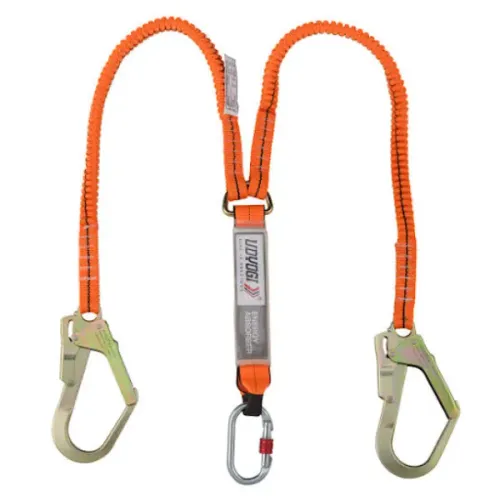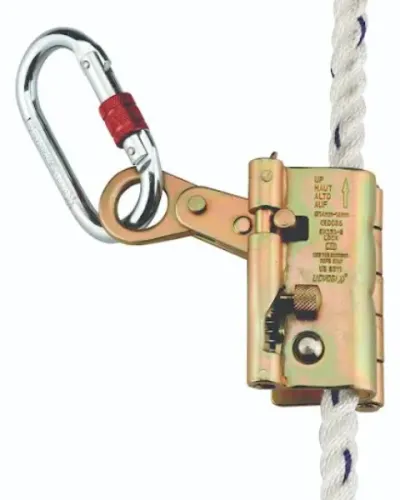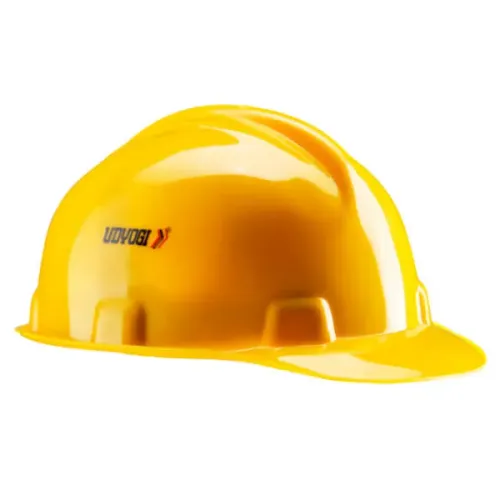
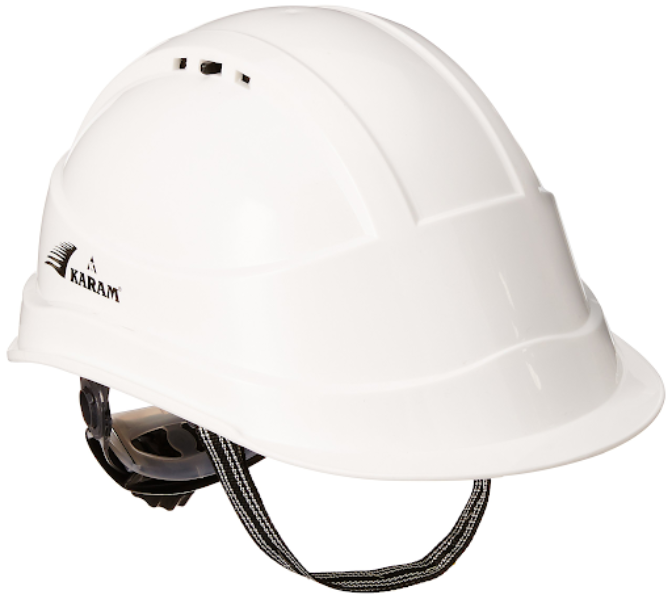
Buying head protection for an industrial workforce involves more than calculating the number of employees and placing a bulk order. Karam Safety Helmets should be assessed according to workplace hazards, fit, wearing duration, accessory requirements, product specifications, and the conditions in which employees will use them.
For factories and warehouses in Pimpri Chinchwad, Maharashtra, procurement teams can improve purchasing decisions by creating a clear head-protection specification before requesting quotations.
Define Requirements for Karam Safety Helmets
Start by identifying which departments require helmets and why.
A facility may include production areas, maintenance teams, warehouse staff, utility technicians, project contractors, and visitors. The working conditions across these groups may differ considerably.
A useful procurement specification can document:
- Identified head hazards
- Number of users
- Wearing duration
- Adjustment requirements
- Chin-strap needs
- Accessory requirements
- Other PPE used
- Site identification needs
- Replacement expectations
This makes supplier discussions more precise.
Review Fit and Worker Comfort
A helmet needs to remain correctly positioned during work.
Headband adjustment, suspension design, weight, ventilation where applicable, and overall comfort can influence whether employees wear their PPE consistently.
Before a large purchase, organisations may consider evaluating samples with employees performing representative tasks.
User feedback should not replace technical assessment, but it can identify practical problems that are difficult to see from a catalogue.
Check Compatibility With Existing PPE
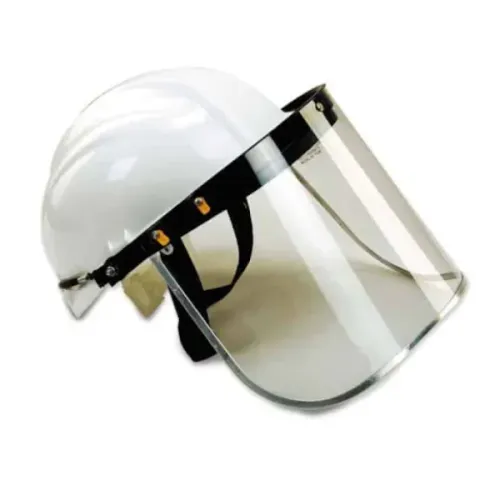
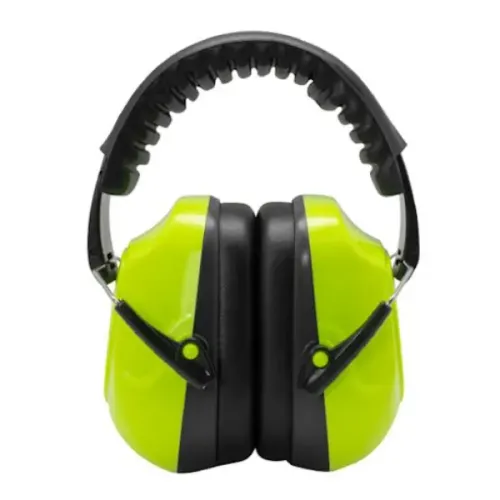
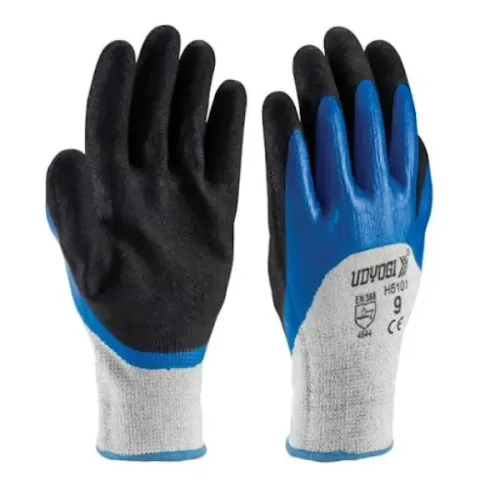
Workers may simultaneously wear safety spectacles, goggles, hearing protection, face shields, and respiratory PPE.
If a new helmet interferes with existing equipment, the business may need to modify its PPE system after purchasing.
Compatibility checks before ordering can help avoid that problem.
Plan for Inspection and Replacement
Industrial helmets are not permanent equipment.
They can be affected by impact, harsh environments, chemicals, sunlight, physical damage, and everyday wear. Inspection procedures should follow the relevant product information and workplace safety requirements.
Employees should know how to report damaged helmets and obtain replacements.
Procurement teams can also maintain suitable replacement stock where helmet usage is high.
Evaluate Supply Reliability
A product may meet technical needs but still create operational challenges if replenishment is inconsistent.
Businesses purchasing Karam Safety Helmets can consider:
- Availability of required configurations.
- Ability to support bulk quantities.
- Product information and documentation.
- Consistency of supply.
- Related PPE availability.
- Response to repeat procurement needs.
These factors can be particularly relevant for growing factories or organisations managing several departments.
Work With a Supplier That Understands Industrial Requirements
A useful PPE supplier should ask where the equipment will be used and what hazards are present rather than treating every helmet requirement as identical.
Shree Krishna Safety Products supplies industrial safety equipment to manufacturing companies, engineering businesses, contractors, warehouses, and procurement teams, including Karam Safety Helmets for relevant workplace requirements.
For companies in Pimpri Chinchwad, working with a local supplier can also simplify communication about quantities, repeat requirements, and related PPE needs.
Bulk head-protection procurement works best when technical suitability comes first. By defining the hazard, checking fit, reviewing compatibility, and planning replacement requirements, companies can make purchasing decisions that support both workplace safety and practical inventory management.
Keywords