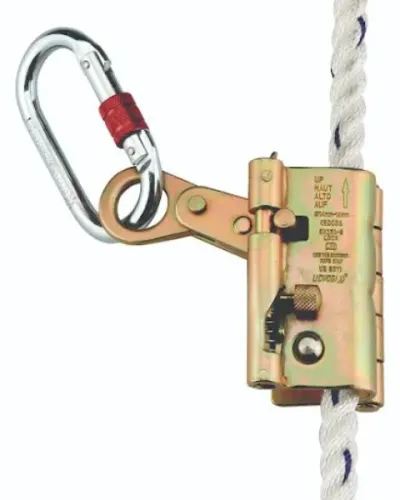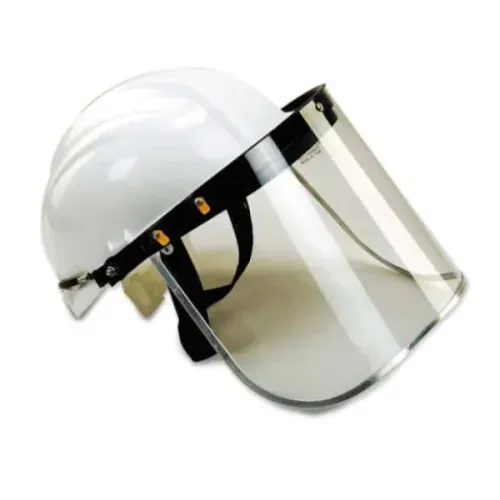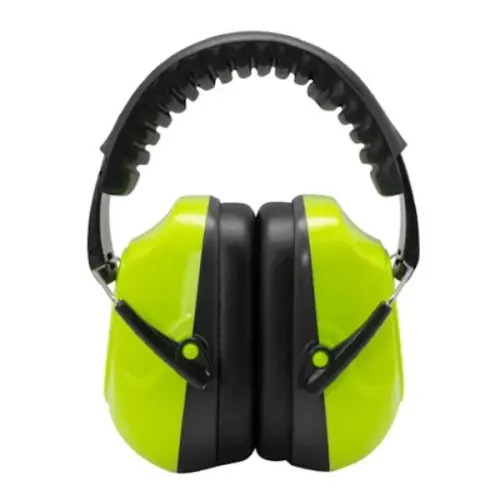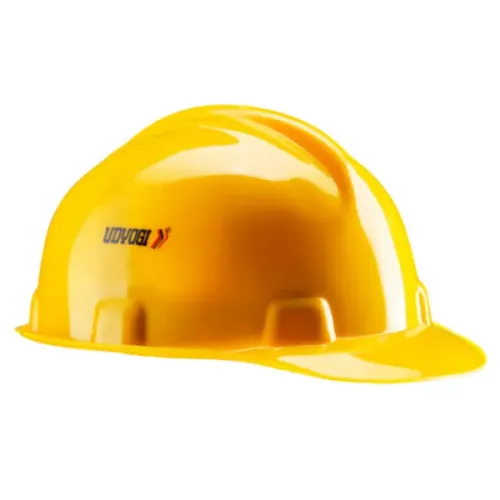
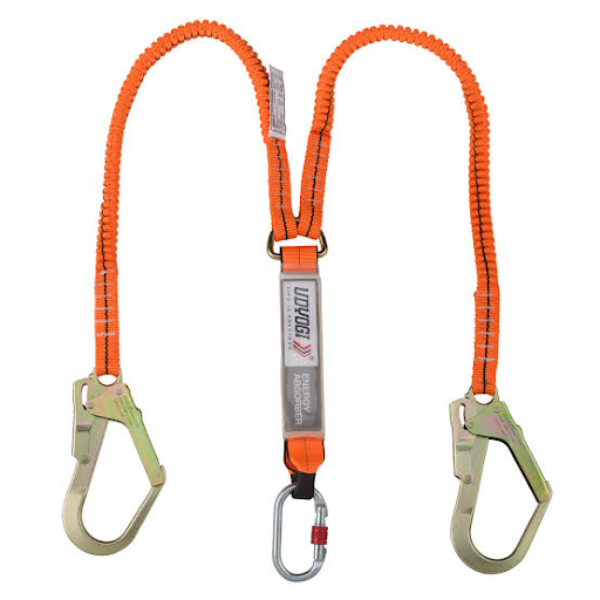
A lanyard may appear to be a relatively simple component, yet its role within a height-safety system makes careful selection essential. An Udyogi Lanyard should be evaluated according to the work activity, compatible equipment, connection arrangement, required movement, and identified fall hazard.
For procurement teams serving construction and manufacturing facilities in Chakan, Maharashtra, ordering height-safety products without technical details can result in equipment that is difficult to integrate with existing systems.
Confirm the Application for the Udyogi Lanyard
The first procurement question should concern the job rather than the price.
Buyers should determine where the lanyard will be used, what movement the employee needs, and what other components are already part of the system.
Useful information includes:
- Type of height-related activity
- Connection arrangement
- Anchorage location
- Worker movement
- Existing harness configuration
- Work area geometry
- Environmental exposure
- Frequency of use
Providing this information helps prevent assumptions during product selection.
Check Connectors and Compatibility
Height-safety components should not be combined solely because connectors appear to fit.
The complete system needs to be reviewed for compatibility with the intended application and relevant technical guidance.
Procurement teams replacing an existing lanyard should identify the current equipment rather than ordering a visually similar product without checking specifications.
Consider Worker Movement
Some jobs involve limited positioning, while others require employees to move between work points.
The required movement can influence the lanyard configuration and connection strategy. If workers repeatedly disconnect equipment to reach another position, the safety team should review whether the selected arrangement adequately supports the work method.
The objective should be to design the work process and protective system together.
Review Wear Before Every Use
Webbing and connecting components can deteriorate through regular use and environmental exposure.
Workers should look for signs such as:
- Cuts
- Fraying
- Burns
- Chemical contamination
- Damaged stitching
- Deformed connectors
- Corrosion
- Abnormal wear
Any questionable equipment should be handled according to the organisation's inspection procedure.
Formal inspection schedules are also important for equipment used regularly.
Include Rescue Planning
Fall-protection procurement is incomplete when emergency response has not been considered.
Businesses should establish how a worker would be assisted after a fall event and ensure relevant personnel understand the site's procedure.
This consideration becomes particularly important at large industrial sites where access to elevated work areas may be complex.
Look Beyond Unit Cost
For BOFU buyers comparing suppliers, price is only one procurement factor.
Other useful considerations include product availability, technical information, quantity support, replacement supply, related PPE availability, and the supplier's ability to understand the application.
Shree Krishna Safety Products works with industrial and construction buyers sourcing workplace safety equipment, including Udyogi Lanyard products for applicable height-safety requirements. Procurement teams can provide worksite details when discussing requirements so the selection process is based on actual use rather than a generic catalogue choice.
For Chakan businesses managing regular maintenance, projects, and contractor activity, standardising suitable PPE can also simplify training and replenishment.
A lanyard is only one component of a complete height-safety arrangement. Procurement decisions should therefore support compatibility, correct use, inspection, and the wider fall-protection plan.
Keywords