Loose hair can reach exposed food, sterile supplies, laboratory work or cleanroom surfaces even when the wearer is otherwise dressed for the task. By the end, you will know how a bouffant cap works, how to put one on, when it needs support from other restraints, and which specifications reveal whether it is suitable for your workplace.
Key takeaways
- Choose a roomy cap that fully encloses scalp hair, sideburns and loose strands.
- Inspect the elastic edge and tuck in every loose strand before work.
- Pair hair covering with hand hygiene, clean clothing and task-specific PPE.
- Set disposal, laundering and replacement rules before issuing caps to staff.
What a bouffant cap covers that other hair restraints may not
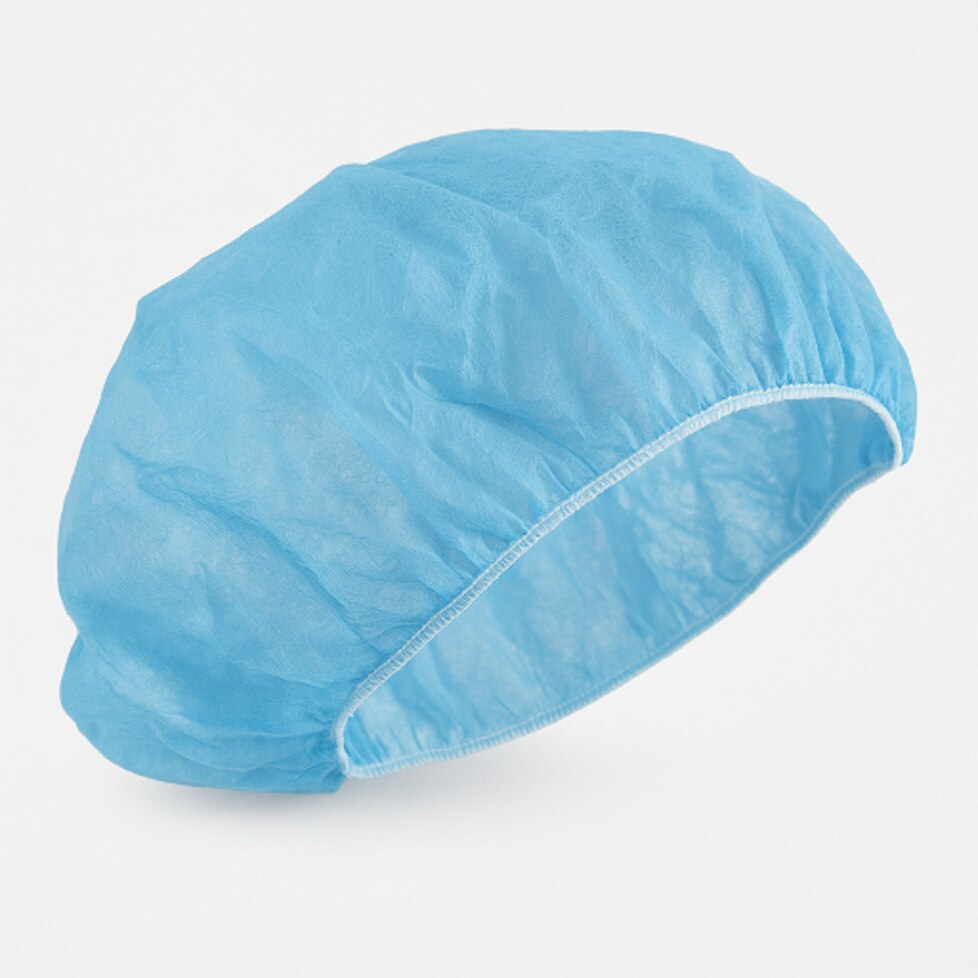
A bouffant cap is a lightweight hair covering with an elastic edge and a gathered, roomy crown. It encloses scalp hair, sideburns and loose strands more fully than a close-fitting net. A disposable bouffant cap is discarded after removal or contamination; a reusable bouffant cap is laundered under the site’s procedure.
| Option | What it covers | Key difference or limitation |
|---|---|---|
| Bouffant cap | Scalp hair, sideburns and loose strands | Broad coverage; it does not restrain a beard or moustache |
| Hairnet | Hair held close to the scalp | More open construction; hairnet versus bouffant cap is mainly a question of coverage and containment |
| Snood | Longer hair, often gathered at the back | Useful for ponytails or buns, but coverage depends on its shape and fit |
| Surgical cap | Hair during clinical or procedural work | A cap is not sterile surgical attire unless specifically processed, packaged and labelled as sterile |
| Beard cover | Beard and moustache hair | It addresses facial hair, not scalp hair |
A bouffant cap therefore does not replace a beard cover, hand hygiene or other PPE. FDA food CGMP rules identify hairnets, head coverings and beard restraints as controls that prevent hair from reaching food, food-contact surfaces or packaging.
In healthcare, a head cover is not required for every patient-care task; CDC PPE selection follows the anticipated exposure. In a controlled area, the cap also provides no respiratory protection and cannot replace a fit-tested respirator.
How to put on a bouffant cap and check its fit
Clean your hands and inspect the cap for tears, loose fibres, damaged stitching, or a stretched elastic edge before putting it on. This is how to wear a bouffant cap for effective hair containment: don it before entering the controlled area and avoid touching its hair-contacting side after hand hygiene.
1. Gather scalp hair, sideburns, and loose strands at the back of your head. Secure long hair so it does not fall out when you bend or turn.
2. Hold the cap by its outer edge. Open the elastic edge without placing fingers inside the cap or brushing it against clothing or nearby surfaces.
3. Place the gathered crown over the top of your head, then pull the elastic edge down evenly around the hairline. Do not drag it across exposed hair.
4. Tuck every strand under the edge, including hair at the ears and nape. Ask a colleague to check the back if you cannot see it.
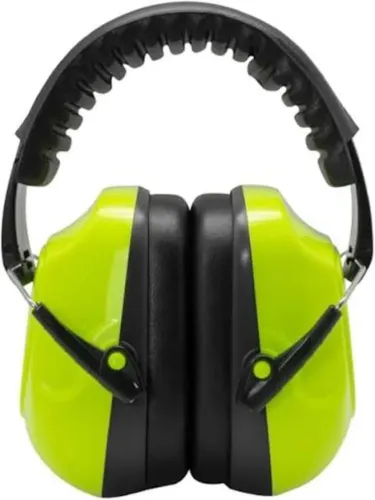
5. Move your head, bend, and turn to test retention. The cap must stay in place without pinching, blocking vision, or covering eyewear, hearing protection, or other PPE straps.
The elastic edge must sit flat, not across a respirator’s sealing surface. A bouffant cap does not provide respiratory protection or seal the face, so use a fit-tested respirator when the hazard assessment requires one.
Replace the cap after removal, visible contamination, tearing, or loss of fit. Dispose of or launder it according to site procedure.
Why food workers need more than a cap alone
A bouffant cap for food industry work helps keep loose scalp hair from falling into exposed food, food-contact surfaces or packaging. It is a hair restraint, not a complete food hygiene control.
FDA food CGMP rules require hair restraints, including head coverings and beard restraints, to prevent contamination; a cap that leaves fringe, sideburns, a ponytail or hair at the neck exposed does not achieve that purpose.
Use this checklist alongside the cap:
- Clean your hands before putting it on, then tuck in all scalp hair and loose strands.
- Wear a beard restraint when facial hair or a moustache could reach food, equipment or packaging. A bouffant cap cannot cover that route.
- Keep the cap on before entering the production area and replace it after removal, visible contamination, tearing or loss of fit.
- Wash hands after removing the cap and follow the site’s glove, handwashing and equipment-sanitation procedures. The cap does not make contaminated hands safe.
- Inspect reusable caps for damage and launder them as specified; discard disposable caps according to site procedure.
Containment is the practical test, not the cap’s shape or label. Hair that protrudes around the ears or neck can still contaminate a product. In higher-control areas, check that the cap itself does not shed fibres from its fabric, elastic, packaging or damaged edges; “lint-free” alone is not evidence of garment cleanliness or particle performance.
Where healthcare hair covering fits into PPE and sterile practice
Use a bouffant cap for healthcare in a procedure room, sterile-processing department, laboratory or another controlled area where facility policy requires hair containment. It is not a universal Standard Precautions item for every patient-care task; select healthcare PPE according to the anticipated exposure.
Use it for procedure room hygiene when loose hair could enter a sterile field, contaminate equipment or shed into a controlled area. Hand hygiene still comes first. Don the cap after cleaning your hands, avoid touching its inside, tuck in all scalp hair and loose strands, and replace it after removal or contamination.
A routine bouffant cap is a hair barrier, not sterile surgical attire. A sterile surgical cap belongs to a sterile barrier system for an invasive procedure only when it has been specifically processed, packaged and labelled as sterile. An ordinary disposable cap cannot make that claim.
Sterile practice also depends on the required attire:
- Sterile gown
- Sterile gloves
- Sterile drapes
The cap does not protect against splashes or inhaled hazards. It cannot replace a mask or fit-tested respirator when the task requires respiratory protection, and facial hair that breaks a respirator seal remains a separate compliance problem.
How to specify caps for controlled areas and routine PPE programs
Verify the cap against the room’s contamination-control plan, not a generic cleanroom claim. A cleanroom bouffant cap needs qualification for the operation, room classification, wear pattern and disposal or laundering method.
1. Match the cap to the risk assessment. ISO 14644 does not make a generic cap compliant by definition. Check its effect on lint shedding and particle release, microbial contamination, electrostatic charge, hair containment and compatibility with other garments.
2. For pharmaceutical areas, compare the specification with EU GMP Annex 1. In Grade A and B areas, the head covering must fully contain hair and, where applicable, beard and moustache. Confirm the cap’s cleanliness, packaging, changing frequency and any validated sterilisation process.
3. Request evidence rather than accepting “lint-free.” Ask for test data or supplier controls covering fabric cleanliness, particle shedding, microbial performance, elastic and edge integrity, packaging, and damage after handling. Disposable does not mean sterile, and a routine cap must not be labelled as surgical or sterile without validated processing and sterile packaging.
4. Put the cap into the PPE register with a defined size range, issue quantity, replacement trigger, storage condition and waste route. Allow reuse, extended wear or movement between rooms only when the label and site procedure permit it.
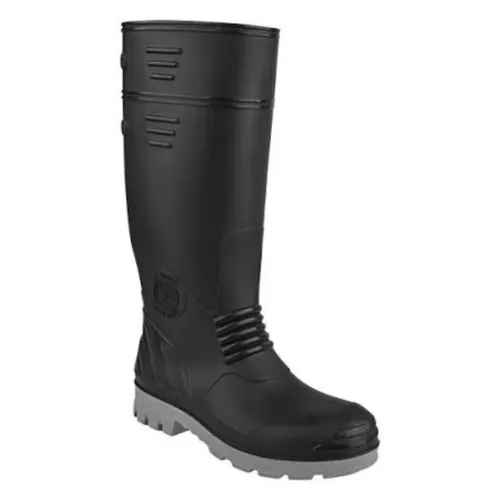
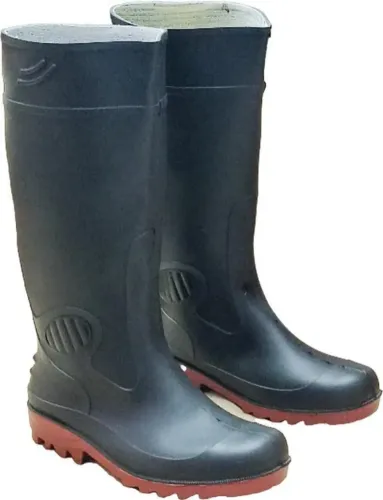
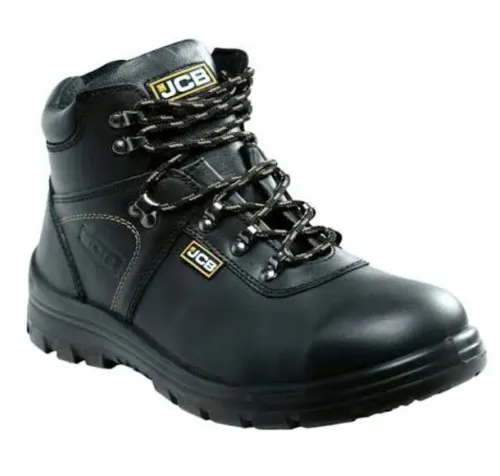
If the same register includes safety footwear from Shree Krishna Safety Products, keep the cap’s qualification record separate: footwear performance does not establish head-covering performance.
Frequently asked questions
What does a bouffant cap cover?
Its gathered, roomy crown and elastic edge enclose scalp hair, sideburns and loose strands more fully than a close-fitting hair net.
How do you check a bouffant cap’s fit?
Cover all scalp hair and sideburns, tuck in loose strands, and confirm the elastic edge sits securely without gaps or excessive pressure.
Is a bouffant cap enough for food hygiene?
No. Use it with hand hygiene, clean work clothing and other controls required for the task, such as gloves or beard covering.
How does hair covering fit into healthcare PPE?
Use it within the site’s PPE and sterile-practice procedure; a bouffant cap controls hair but does not replace hand hygiene, masks, gowns or sterile technique.