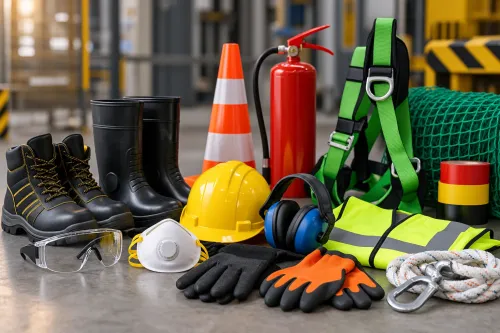

Industrial workplaces expose employees to a wide range of hazards, from chemical splashes and welding sparks to grease, sharp objects, and food contaminants. While gloves, helmets, and safety shoes often receive the most attention, industrial aprons are equally important in protecting workers during routine operations.
A well-designed industrial apron acts as the first line of defense for the torso and upper legs, helping reduce exposure to workplace hazards while improving employee comfort. However, selecting the right apron requires more than choosing a durable material. Different industries demand different levels of protection, and understanding those requirements is essential for making the right investment.
For manufacturing units and industrial facilities operating across MIDC locations in Maharashtra, choosing suitable protective clothing contributes to safer workplaces, better productivity, and improved compliance with occupational safety practices.
What Is an Industrial Apron?
An industrial apron is a protective garment worn over work clothing to shield employees from hazards encountered during daily operations. Depending on the application, aprons may be designed to resist chemicals, heat, moisture, oils, sparks, or physical wear.
Industrial aprons are available in various materials, thicknesses, and designs to suit specific workplace environments. Selecting the appropriate type ensures employees receive adequate protection without compromising comfort or mobility.
Why Are Industrial Aprons Important?
Employees working in industrial settings often come into direct contact with materials that can damage clothing or cause injuries. Industrial aprons help minimize these risks by providing an additional protective layer.
Some key benefits include:
- Protection from chemical splashes
- Resistance to oils and grease
- Shielding against sparks and light heat
- Prevention of contamination in food processing
- Reduced damage to work uniforms
- Improved workplace hygiene
- Enhanced employee confidence while handling hazardous tasks
Using industry-specific protective clothing also supports workplace safety programs and demonstrates a commitment to employee well-being.
Different Types of Industrial Aprons
Industrial aprons are designed for different applications, and no single material is suitable for every work environment.
PVC Aprons
PVC aprons provide excellent resistance to water, oils, and many chemicals, making them suitable for chemical processing, maintenance work, and cleaning operations.
Rubber Aprons
Rubber aprons are commonly used where protection from liquids, mild chemicals, and moisture is required. They are durable and easy to clean after use.
Leather Aprons
Leather aprons are widely used in welding, fabrication, and metalworking industries because they offer protection against sparks, molten metal splashes, and abrasion.
Cotton Aprons
Cotton aprons are suitable for light-duty industrial work where comfort and basic clothing protection are the primary requirements.
Food-Grade Aprons
Food manufacturing and processing facilities often use specialized aprons that support hygiene requirements while protecting workers from moisture and food residues.
Choosing the Right Apron for Your Industry
Selecting an industrial apron should begin with evaluating workplace hazards rather than simply choosing the strongest material.
Chemical Industries
Workers handling acids, solvents, or cleaning agents require aprons with good chemical resistance and easy cleaning properties.
Welding and Fabrication
Leather aprons provide reliable protection from sparks, heat, and flying metal particles generated during welding and grinding operations.
Food Processing
Waterproof, hygienic aprons help maintain cleanliness while protecting employees from spills and contamination.
Engineering and Manufacturing
Employees handling lubricants, coolants, and industrial components often benefit from durable PVC or coated fabric aprons that withstand daily wear.
Warehousing and Maintenance
Lightweight aprons offer practical protection against dust, grease, and minor workplace contaminants while allowing unrestricted movement.
Features to Consider Before Buying Industrial Aprons
Procurement managers should evaluate several factors before purchasing industrial aprons for their workforce.
Important considerations include:
- Material compatibility with workplace hazards
- Durability for long-term industrial use
- Adjustable straps for proper fitting
- Comfortable design for extended wear
- Resistance to chemicals, oils, or heat where required
- Easy cleaning and maintenance
- Lightweight construction without compromising protection
Selecting the correct features improves employee acceptance and encourages consistent PPE usage.
Common Mistakes Businesses Should Avoid
Some organizations unknowingly reduce workplace protection by selecting aprons that do not match operational requirements.
Common mistakes include:
- Using lightweight aprons for heavy-duty applications
- Ignoring chemical compatibility
- Choosing incorrect sizes
- Continuing to use torn or damaged aprons
- Purchasing based only on price
- Failing to inspect protective clothing regularly
Periodic PPE reviews help ensure employees continue receiving appropriate protection as workplace processes evolve.
Caring for Industrial Aprons
Proper maintenance extends product life and preserves protective performance.
Good maintenance practices include:
- Cleaning aprons after each shift when necessary
- Inspecting for cuts, tears, or worn areas
- Replacing damaged aprons promptly
- Storing protective clothing in clean, dry locations
- Following manufacturer recommendations for cleaning and maintenance
Well-maintained PPE contributes to better hygiene, improved durability, and lower replacement costs.
Choosing a Reliable Industrial Safety Supplier
The quality of protective clothing depends greatly on the supplier's expertise and manufacturing standards.
Businesses should look for suppliers that offer:
- Industrial-grade protective aprons
- Multiple material options for different applications
- Consistent product quality
- Bulk supply capability
- Technical guidance on PPE selection
- Experience serving manufacturing and industrial sectors
Many companies operating across MIDC industrial areas prefer working with established safety equipment providers that understand industry-specific requirements. Shree Krishna Safety Products supplies industrial aprons along with a comprehensive range of personal protective equipment designed for engineering industries, manufacturing plants, warehouses, food processing facilities, and chemical industries.
Final Thoughts
Industrial aprons are an essential part of workplace safety, offering practical protection against a variety of occupational hazards. Choosing the right material and design based on specific work conditions helps improve employee safety, extend the life of workwear, and support compliance with industrial safety standards.
For businesses across MIDC industrial zones, investing in high-quality industrial aprons is a simple yet effective step toward creating safer and more efficient workplaces. When combined with other PPE and proper safety training, the right apron helps employees perform their responsibilities with greater confidence and protection.
Keywords