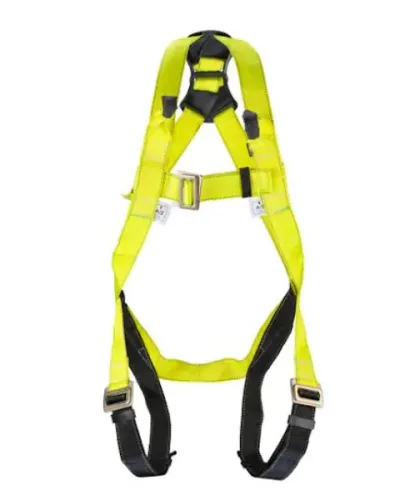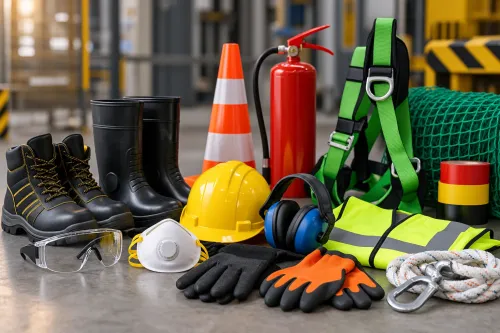
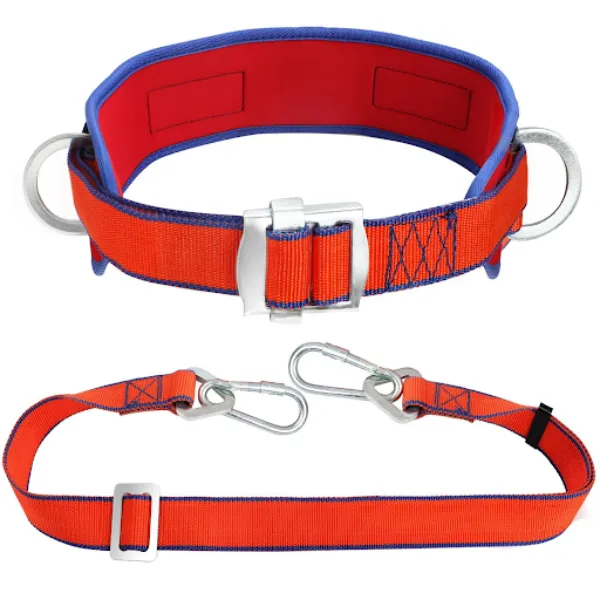
Safety belts are an essential part of fall protection systems in industries where employees work at heights. Construction workers, maintenance technicians, utility personnel, warehouse staff, and engineers rely on safety belts to help reduce the risk of serious injuries while performing elevated tasks.
However, like any personal protective equipment (PPE), a safety belt has a limited service life. Even if it appears to be in good condition, exposure to sunlight, chemicals, heavy loads, moisture, and daily wear can gradually reduce its strength. Continuing to use a damaged or worn-out safety belt can compromise worker safety and increase the likelihood of accidents.
For manufacturing facilities, engineering companies, and infrastructure projects across Chakan, understanding when to replace a safety belt is just as important as selecting the right one.
Why Regular Inspection Is Essential
A safety belt is designed to withstand significant forces during use, but repeated exposure to demanding work environments affects its performance over time.
Regular inspections help identify wear and damage before equipment fails. They also ensure that workers are using PPE that continues to provide the intended level of protection.
Routine checks should be part of every workplace safety program and should be carried out before each use as well as during scheduled maintenance inspections.
Visible Signs That a Safety Belt Needs Replacement
While some damage is obvious, other warning signs are easy to overlook. Employees and safety officers should inspect safety belts carefully before every use.
Look for the following signs:
Frayed or Damaged Webbing
Cuts, fraying, loose fibers, or worn edges weaken the webbing and reduce its ability to withstand load during a fall.
Torn or Loose Stitching
Stitching plays a critical role in maintaining the strength of the safety belt. Broken or unraveling stitches indicate that the equipment should no longer be used.
Corroded Metal Components
Buckles, hooks, D-rings, and adjustment fittings should be free from rust, cracks, deformation, or corrosion. Damaged hardware can fail unexpectedly under pressure.
Chemical Damage
Exposure to oils, acids, solvents, or industrial chemicals may weaken the material without causing obvious visible damage. Safety belts exposed to harsh chemicals should be inspected thoroughly and replaced if necessary.
Burn Marks or Heat Damage
Belts exposed to welding sparks, excessive heat, or flames may lose their structural integrity even if the damage appears minor.
Fading and UV Exposure
Continuous exposure to sunlight can gradually degrade webbing materials. Excessive fading may indicate that the belt has experienced prolonged ultraviolet exposure and should be evaluated for replacement.
Replace a Safety Belt After a Fall
One of the most important safety rules is that a safety belt involved in a fall should never be reused unless specifically permitted by the manufacturer after inspection.
Even if no visible damage is present, the internal strength of the webbing and hardware may have been compromised.
Replacing equipment after a fall helps ensure workers remain protected during future operations.
How Often Should Safety Belts Be Inspected?
Inspection frequency depends on workplace conditions and usage.
A good practice includes:
- Visual inspection before every use
- Detailed inspection by a trained person at regular intervals
- Immediate inspection after any unusual event or suspected damage
- Replacement according to manufacturer recommendations
High-use industrial environments may require more frequent inspections than workplaces where equipment is used occasionally.
Proper Storage Helps Extend Service Life
Incorrect storage can shorten the lifespan of a safety belt even when it is not being used.
To maintain equipment properly:
- Store belts in a cool, dry location.
- Keep them away from direct sunlight.
- Avoid contact with chemicals and oils.
- Protect them from sharp objects.
- Hang or store them without excessive folding or crushing.
Good storage practices help preserve the material and reduce unnecessary wear.
Common Mistakes That Reduce Safety Belt Performance
Many workplace incidents can be traced back to avoidable mistakes in equipment handling.
Some common errors include:
- Continuing to use damaged belts
- Ignoring inspection schedules
- Sharing equipment without checking its condition
- Modifying belts or hardware
- Cleaning with harsh chemicals
- Storing equipment in damp or contaminated areas
Developing clear inspection procedures helps eliminate many of these issues.
Choosing the Right Safety Belt for Industrial Work
Selecting the right product is equally important for ensuring worker safety.
Consider factors such as:
- Type of work being performed
- Load capacity
- Comfort during extended use
- Compatibility with lanyards and anchorage systems
- Quality of webbing and hardware
- Compliance with applicable safety standards
Matching the equipment to the specific task improves both safety and employee confidence.
Working with a Reliable Safety Equipment Supplier
Industrial procurement teams should source fall protection equipment from suppliers experienced in workplace safety products.
A dependable supplier should offer:
- Industrial-grade safety belts
- Certified products
- Consistent manufacturing quality
- Technical guidance on product selection
- Reliable stock availability
- Support for bulk industrial requirements
Many businesses in Chakan rely on specialized PPE providers for their workplace safety needs. Shree Krishna Safety Products supplies industrial safety belts along with a comprehensive range of fall protection equipment designed for manufacturing facilities, engineering companies, infrastructure projects, and maintenance operations.
Final Thoughts
A safety belt is only effective when it remains in good condition. Regular inspections, proper storage, timely replacement, and correct usage all contribute to a reliable fall protection system.
For industries operating in Chakan, replacing worn or damaged safety belts before they fail is a proactive step toward preventing workplace accidents. Investing in quality equipment and following a structured inspection process helps protect employees while supporting long-term workplace safety and compliance.
Keywords