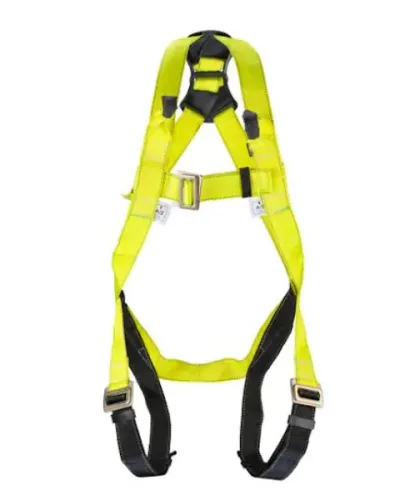
Working at height is one of the highest-risk activities in industrial environments. Whether employees are maintaining overhead equipment, installing structural components, performing electrical work, or working on construction sites, even a minor fall can result in serious injuries. This is why a safety harness is not just another piece of personal protective equipment—it is a critical fall protection system.
Among the various options available in the market, Udyogi safety harnesses are widely used across industries because of their focus on safety, comfort, and compliance. However, selecting the right harness requires more than choosing a well-known brand. Businesses should understand the features, compatibility, and application requirements before making a purchase.
For industries and infrastructure projects in Pimpri Chinchwad, where engineering, automotive, and manufacturing sectors continue to expand, investing in the right fall protection equipment is essential for workplace safety.
Why Is a Safety Harness Important?
Whenever employees work at heights where there is a risk of falling, a safety harness helps distribute the impact forces during a fall while keeping the worker securely attached to an anchorage point.
Unlike a simple safety belt, a full-body safety harness supports multiple parts of the body, reducing the risk of severe injuries during fall arrest.
Using an appropriate harness not only protects workers but also helps organizations comply with workplace safety regulations for work-at-height activities.
Where Are Udyogi Safety Harnesses Commonly Used?
Safety harnesses are used across several industries where employees perform elevated tasks.
Common applications include:
- Construction projects
- Industrial maintenance
- Steel fabrication
- Warehousing and logistics
- Telecommunications tower installation
- Electrical maintenance
- Wind energy projects
- Roofing work
- Bridge construction
- Manufacturing plant maintenance
In industrial regions such as Pimpri Chinchwad, safety harnesses are frequently used during equipment servicing, overhead crane maintenance, and structural installations.
Features to Look for Before Buying a Udyogi Safety Harness
Selecting the right safety harness depends on the nature of the work and the working environment.
Full-Body Design
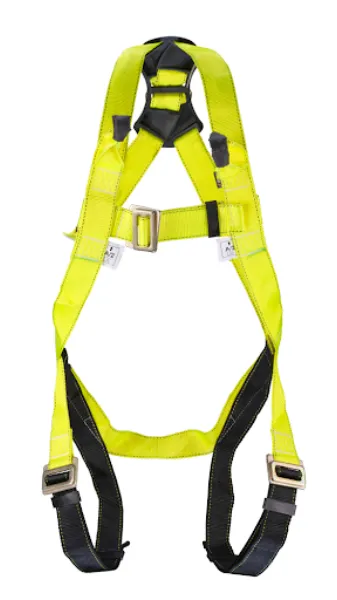
A full-body harness distributes fall impact across the shoulders, thighs, chest, and pelvis, providing significantly better protection than waist belts alone.
Strong Webbing Material
High-strength polyester webbing offers durability, resistance to wear, and long service life under industrial conditions.
Secure Buckles and Adjusters
Easy-to-adjust buckles allow workers to achieve a comfortable fit while ensuring the harness remains securely fastened throughout the job.
D-Ring Placement
The location and number of D-rings determine the type of work the harness is designed for. Back D-rings are commonly used for fall arrest, while front and side D-rings may be required for positioning or climbing applications.
Comfortable Padding
Workers performing extended tasks at height benefit from padded shoulder straps, waist belts, and leg straps that improve comfort without compromising safety.
Certification and Compliance
Always choose harnesses that comply with relevant industrial safety standards to ensure dependable performance during use.
How to Select the Right Harness for Different Jobs
Different work activities require different types of fall protection equipment.
For example:
- General construction work often requires standard fall arrest harnesses.
- Tower climbing may require additional positioning features.
- Confined space entry may require specialized lifting points.
- Maintenance activities may need lightweight harnesses that allow greater mobility.
- Rescue operations require harnesses designed for emergency retrieval.
A workplace risk assessment should always determine the most suitable harness configuration.
Common Mistakes to Avoid
Even high-quality safety harnesses can become ineffective if they are selected or used incorrectly.
Some common mistakes include:
- Choosing the wrong harness for the task
- Wearing the harness too loosely
- Ignoring weight capacity specifications
- Using damaged webbing or buckles
- Failing to inspect equipment before use
- Connecting to unsuitable anchorage points
Regular inspections and employee training are essential for ensuring fall protection systems function as intended.
Inspecting a Safety Harness Before Use
Before every use, workers should perform a visual inspection of the harness.
Check for:
- Cuts or frayed webbing
- Damaged stitching
- Cracked or bent metal fittings
- Corrosion on buckles and D-rings
- Signs of chemical damage
- Missing labels or identification tags
If any defects are identified, the harness should be removed from service immediately and replaced if necessary.
Why Proper Training Matters
Providing quality equipment alone is not enough. Employees should understand how to wear, adjust, inspect, and use a safety harness correctly.
Training should include:
- Correct fitting procedures
- Safe attachment methods
- Anchorage selection
- Inspection techniques
- Emergency rescue procedures
- Equipment storage guidelines
Well-trained workers are more likely to use fall protection equipment consistently and correctly.
Choosing a Reliable Supplier
Procurement managers should purchase safety harnesses from suppliers that understand industrial fall protection requirements rather than general hardware distributors.
Look for suppliers that provide:
- Certified industrial-grade harnesses
- Multiple harness models for different applications
- Reliable product quality
- Technical product guidance
- Bulk supply capability
- Consistent inventory availability
Many industries in Pimpri Chinchwad rely on experienced industrial safety providers for dependable PPE solutions. Shree Krishna Safety Products supplies Udyogi safety harnesses along with a comprehensive range of workplace safety equipment designed for construction companies, manufacturing plants, engineering industries, logistics businesses, and maintenance contractors.
Final Thoughts
Working at height requires careful planning, proper training, and dependable fall protection equipment. Selecting the right Udyogi safety harness based on the work environment, safety requirements, and employee comfort helps reduce fall-related risks while improving workplace compliance.
For businesses operating in Pimpri Chinchwad, investing in high-quality safety harnesses is a practical step toward protecting workers and creating a safer work environment. Combined with regular inspections and proper training, the right harness becomes an essential part of every successful work-at-height safety program.
Keywords