Accidents can happen even in workplaces that follow strict safety protocols. Minor cuts, burns, eye irritation, sprains, and other injuries often require immediate attention before professional medical assistance becomes available. This is why a properly stocked first aid box is an essential part of every industrial safety program.
A first aid box is much more than a regulatory requirement. It allows trained personnel to provide immediate care, reduce the severity of injuries, and support a quicker response during workplace emergencies. However, simply placing a first aid box on the wall is not enough. The contents should be appropriate for the work environment, regularly inspected, and easily accessible.
For manufacturing units, engineering companies, warehouses, and industrial facilities in Bhosari, maintaining a well-equipped first aid box is an important step toward improving employee safety and emergency preparedness.
Why Is a First Aid Box Important in Industrial Workplaces?
The first few minutes after an injury are often the most critical. Quick access to first aid supplies can help control bleeding, protect wounds, reduce pain, and stabilize an injured employee until medical professionals arrive.
An industrial first aid box helps organizations:
- Respond quickly to workplace injuries
- Reduce the impact of minor accidents
- Improve employee confidence
- Support workplace emergency preparedness
- Meet occupational safety requirements
- Encourage a proactive safety culture
While a first aid box cannot replace professional medical treatment, it plays a vital role in managing incidents during the initial response.
Essential Items Every Industrial First Aid Box Should Include
The exact contents may vary depending on workplace risks, but certain supplies are considered essential for most industrial environments.
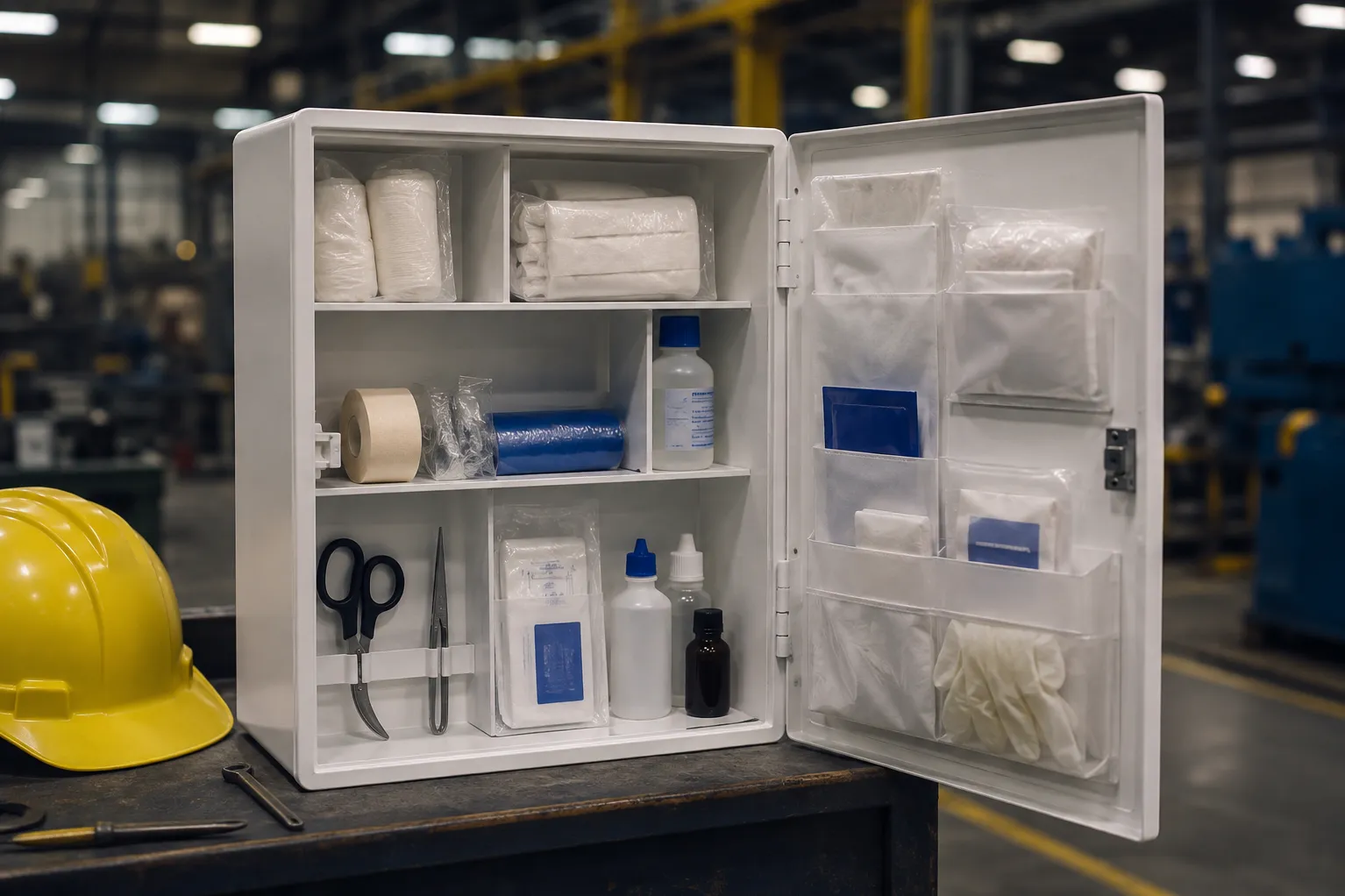
A well-stocked first aid box should typically contain:
- Adhesive bandages in multiple sizes
- Sterile gauze pads
- Crepe and roller bandages
- Medical adhesive tape
- Antiseptic solution or wipes
- Cotton rolls
- Sterile dressing pads
- Burn dressing or burn gel
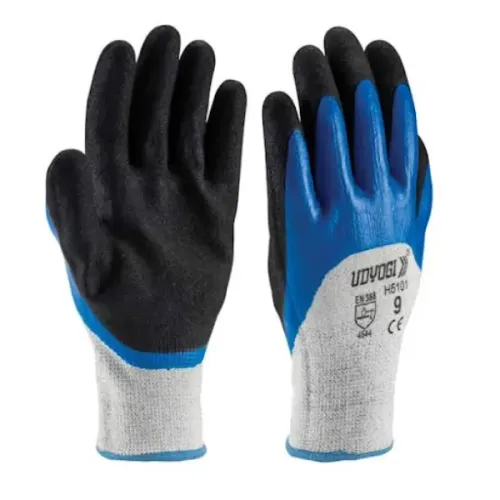
- Disposable gloves
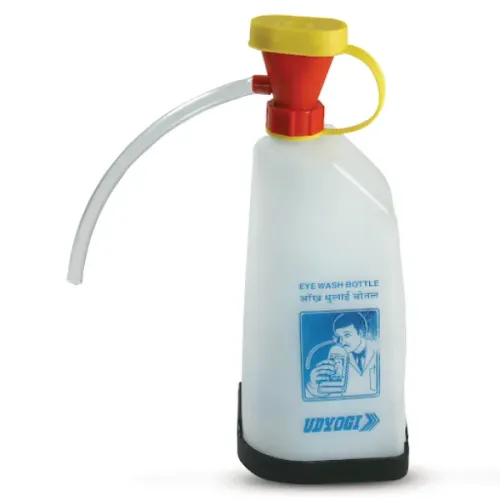
- Eye wash solution
- Scissors
- Tweezers
- Safety pins
- CPR face shield or breathing barrier
- Instant cold packs
- Elastic support bandage
- Emergency blanket
- Digital thermometer
- First aid instruction guide
Depending on the nature of the industry, additional items may be required after conducting a workplace risk assessment.
Choosing a First Aid Box Based on Industry
Every workplace has different hazards, and the first aid kit should reflect those risks.
Manufacturing Plants
Facilities with machinery should prioritize supplies for cuts, abrasions, crush injuries, and minor burns.
Engineering Workshops
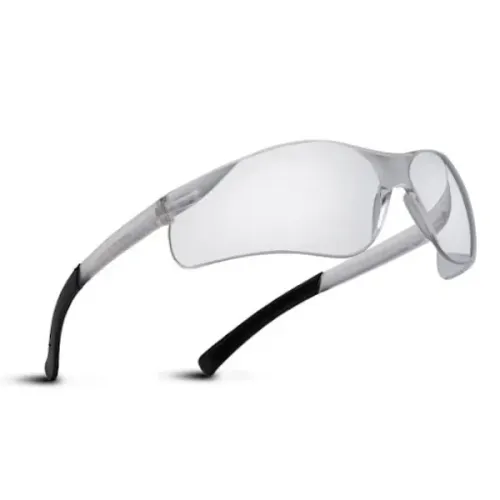
Metalworking operations often require additional sterile dressings, burn care products, and eye protection supplies.
Chemical Industries
First aid boxes should include eye wash solutions and products suitable for handling minor chemical exposure while ensuring employees know emergency procedures.
Warehouses and Logistics
Items for sprains, minor cuts, bruises, and lifting-related injuries are particularly useful in these environments.
Construction Sites
Portable first aid boxes with waterproof cases are often preferred for outdoor work where injuries may occur in different locations across the site.
Where Should a First Aid Box Be Installed?
Accessibility is just as important as the contents of the box.
A first aid box should be placed:
- Near production areas
- Inside workshops
- At warehouse entrances
- In maintenance departments
- Near loading and unloading zones
- Inside administrative offices
- In security cabins
- At construction site offices
The location should be clearly marked so employees can quickly find it during an emergency.
How Often Should a First Aid Box Be Checked?
A first aid box should never be treated as a one-time purchase. Regular inspections ensure supplies remain available and usable when needed.
Inspection should include:
- Checking expiry dates
- Replacing used items immediately
- Removing damaged packaging
- Restocking essential supplies
- Cleaning the first aid box
- Confirming all emergency contact information is updated
Many organizations include first aid box inspections in their monthly workplace safety audits.
Common Mistakes Businesses Should Avoid
Even well-equipped workplaces sometimes overlook basic first aid management practices.
Some common mistakes include:
- Allowing supplies to expire
- Storing the box in locked or inaccessible areas
- Failing to replenish used items
- Providing only one kit for a large facility
- Not training employees in basic first aid
- Ignoring workplace-specific risks when selecting contents
Regular reviews help ensure the first aid box remains suitable for changing workplace conditions.
Supporting Workplace Safety and Compliance
A first aid box is one part of a broader emergency response system. Combined with trained first aid personnel, emergency procedures, fire safety equipment, and regular safety drills, it helps organizations respond more effectively to workplace incidents.
Safety officers should periodically assess whether the contents of the first aid box continue to meet the operational risks within the facility.
Proper documentation of inspections and replenishment schedules also supports workplace safety management.
Choosing a Reliable Supplier
Industrial buyers should source first aid boxes from suppliers that understand workplace safety requirements and provide quality products suitable for industrial environments.
Look for suppliers offering:
- Durable first aid box designs
- Complete industrial first aid kits
- Quality medical supplies
- Easy-to-replace refill options
- Products suitable for different industries
- Consistent availability for bulk requirements
Many businesses in Bhosari work with experienced industrial safety equipment providers for their emergency preparedness needs. Shree Krishna Safety Products supplies first aid boxes and a wide range of workplace safety products that support manufacturing plants, engineering companies, warehouses, logistics facilities, and industrial operations.
Final Thoughts
A properly maintained first aid box is one of the simplest yet most valuable investments in workplace safety. It enables a quick response to injuries, supports employee well-being, and strengthens an organization's overall emergency preparedness.
For industries operating in Bhosari, regularly inspecting, restocking, and selecting the right first aid box ensures that essential medical supplies are available whenever they are needed. Combined with employee training and comprehensive safety practices, a well-equipped first aid box contributes to a safer, more responsive, and better-prepared workplace.
Keywords