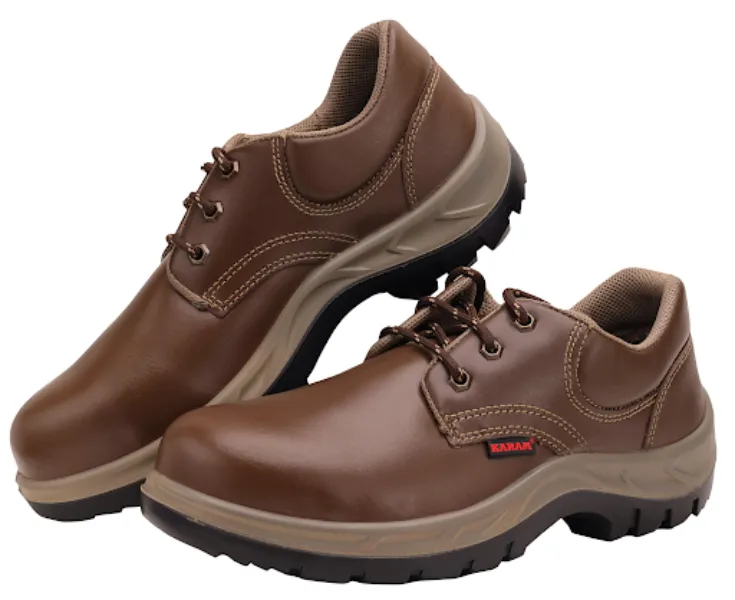
Industrial environments require protective equipment that can perform consistently under challenging working conditions. Among the many options available, Karam Safety Shoes are commonly selected across manufacturing, engineering, construction, and logistics industries because they are designed for workplace safety while supporting worker comfort during long shifts.
Choosing the right model, however, depends on understanding both workplace hazards and the features needed for specific applications.
Why Many Industries Choose Karam Safety Shoes
Different industrial settings expose workers to different risks.
Protective footwear designed for industrial use often includes features that help reduce injuries caused by:
- Falling tools and equipment
- Slippery work surfaces
- Sharp objects
- Electrical hazards
- Oil-contaminated flooring
- Continuous walking and standing
Selecting footwear suited to these conditions contributes to a safer workplace.
Important Features to Evaluate
Before purchasing safety shoes, businesses should compare available features based on operational needs.
Useful considerations include:
- Protective toe caps
- Anti-skid outsole
- Comfortable foot support
- Durable upper materials
- Breathable lining
- Oil-resistant sole
- Electrical hazard protection where applicable
Balancing protection with comfort encourages employees to wear safety footwear consistently.
Selecting Shoes for Different Workplaces
Not every workplace requires identical footwear.
For example:
- Engineering workshops often prioritize impact protection.
- Warehouses may benefit from lightweight shoes that reduce fatigue.
- Construction sites usually require enhanced grip and durability.
- Automotive manufacturing facilities often look for long-lasting footwear suitable for continuous movement.
Matching product specifications with workplace hazards leads to better overall safety.
Signs It Is Time to Replace Safety Shoes
Protective footwear should be inspected regularly.
Replacement may be necessary if you notice:
- Worn-out soles
- Cracked upper material
- Damaged toe protection
- Reduced grip
- Torn stitching
- Persistent discomfort
Replacing damaged footwear helps maintain workplace safety standards.
Working with an Experienced Supplier
Organizations purchasing safety footwear for multiple employees benefit from suppliers capable of maintaining consistent stock, product quality, and dependable delivery schedules.
Industrial businesses operating throughout Bhosari, a major engineering and manufacturing hub, often evaluate suppliers based on product availability, industry experience, and their ability to support bulk procurement requirements.
Shree Krishna Safety Products supplies industrial safety equipment for businesses across different sectors. Companies comparing workplace safety solutions can also explore product information through safetyshoespune.co.in before making procurement decisions.
Selecting Karam safety shoes based on actual workplace requirements helps organizations improve employee protection while supporting safe and efficient industrial operations.
Keywords