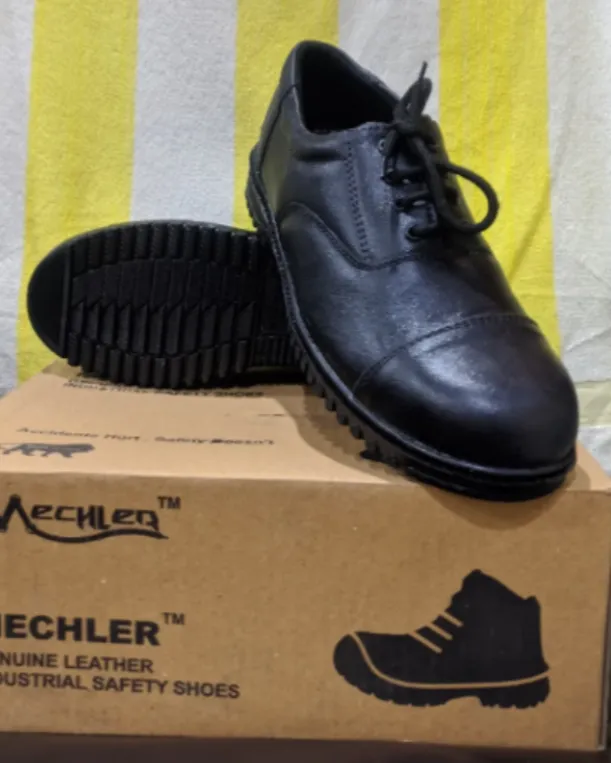
Many workplace injuries occur because employees underestimate the importance of proper protective footwear. Whether someone works in manufacturing, logistics, automotive production, construction, or warehousing, wearing the right Safety Shoes can significantly reduce the risk of accidents while improving overall comfort throughout the workday.
Protective footwear is one of the most essential components of personal protective equipment (PPE), yet selecting the correct pair often receives less attention than it deserves.
What Makes Safety Shoes Different
Unlike regular footwear, safety shoes are engineered to protect workers from multiple workplace hazards.
Depending on the application, they may include:
- Toe protection against heavy impacts
- Slip-resistant soles
- Puncture-resistant midsoles
- Oil and chemical resistance
- Heat-resistant outsoles
- Electrical insulation
- Water-resistant materials
These features work together to minimize common workplace injuries.
Industries That Depend on Safety Shoes
Safety footwear is widely used across multiple industries.
Examples include:
- Manufacturing plants
- Automobile industries
- Warehousing and logistics
- Engineering workshops
- Construction projects
- Security services
- Pharmaceutical facilities
Each industry may require specific safety standards based on the nature of daily operations.
Common Mistakes While Choosing Safety Shoes
Many businesses purchase footwear based solely on price, which may lead to poor long-term value.
Some common mistakes include:
- Ignoring workplace hazards
- Choosing the wrong size
- Buying products without certified safety features
- Prioritizing appearance over protection
- Delaying replacement of worn-out shoes
Evaluating workplace conditions before purchasing helps prevent these issues.
How Proper Footwear Improves Productivity
Comfortable workers are generally more productive.
Properly designed safety shoes can help:
- Reduce foot fatigue
- Improve walking stability
- Minimize slipping risks
- Enhance worker confidence
- Support better posture during long shifts
These benefits become especially important in facilities where employees spend several hours standing or moving continuously.
Caring for Safety Shoes
Regular maintenance extends the life of protective footwear.
Simple practices include:
- Cleaning shoes after work
- Drying naturally after exposure to moisture
- Inspecting soles for excessive wear
- Replacing damaged laces
- Checking toe caps for visible damage
Routine inspections help maintain consistent protection.
Finding Suitable Products for Industrial Operations
Businesses located around Chakan, where automotive manufacturing and engineering industries continue to expand, often require dependable safety footwear capable of handling demanding industrial environments.
Shree Krishna Safety Products provides a range of industrial PPE solutions that cater to different workplace requirements. Businesses researching safety footwear can also review available product information through safetyshoespune.co.in while comparing suitable options for their operations.
Selecting the right safety shoes is a practical investment in employee well-being, workplace efficiency, and long-term safety performance.
Keywords