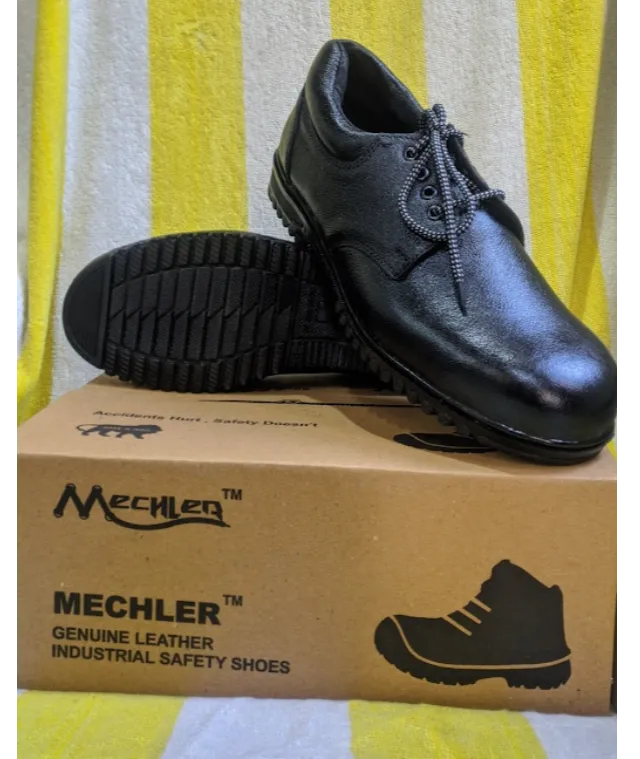
Industrial workplaces expose employees to a variety of hazards every day. From heavy machinery and falling objects to slippery floors and electrical risks, proper footwear plays a significant role in reducing workplace injuries. Investing in the right Industrial Safety Shoes is not just about meeting safety regulations—it is about protecting workers, improving productivity, and creating a safer work environment.
Different industries have different safety requirements. A construction site, for example, demands footwear with strong impact resistance, while pharmaceutical manufacturing facilities may prioritize slip resistance and hygiene. Understanding these differences helps businesses make informed purchasing decisions.
Why Industrial Safety Shoes Matter
Ordinary footwear cannot withstand the demanding conditions found in industrial environments. Industrial safety shoes are specifically designed with protective features that reduce the likelihood of foot injuries.
Common workplace hazards include:
- Heavy objects falling on feet
- Sharp materials that can puncture soles
- Oil and chemical spills
- Wet and slippery surfaces
- Electrical hazards
- Continuous standing and walking
Selecting footwear designed for these risks helps improve worker confidence while reducing downtime caused by injuries.
Features to Consider
Not all industrial safety shoes are built the same. Choosing footwear should begin with identifying workplace risks.
Important features include:
- Steel toe or composite toe protection
- Anti-slip outsole
- Shock-absorbing midsole
- Oil-resistant sole
- Breathable upper materials
- Comfortable cushioning
- Electrical hazard protection where required
Comfort is equally important because workers often spend long hours on their feet. Shoes that fit properly reduce fatigue and encourage consistent use.
Matching Footwear to Industry Requirements
Every workplace has unique safety requirements.
Manufacturing facilities often require durable footwear capable of handling heavy equipment and constant movement.
Construction companies generally need impact-resistant shoes with excellent grip on uneven surfaces.
Warehouses benefit from lightweight yet protective footwear that supports employees during frequent walking and lifting activities.
Engineering industries often prioritize shoes that provide electrical protection alongside durability.
Choosing footwear according to the work environment ensures better protection and longer product life.
Benefits Beyond Compliance
Providing appropriate safety footwear offers advantages beyond meeting workplace regulations.
Businesses often experience:
- Reduced workplace injuries
- Improved employee comfort
- Higher productivity
- Lower absenteeism
- Better workplace morale
- Longer-lasting protective equipment
Workers who feel comfortable throughout their shifts are generally able to perform tasks more efficiently.
Proper Fit Makes a Difference
Even the best industrial safety shoe cannot provide adequate protection if it does not fit correctly.
When selecting footwear:
- Measure both feet before purchasing.
- Ensure adequate toe space.
- Walk around before finalizing the fit.
- Check heel stability.
- Choose socks similar to those worn at work during fitting.
Replacing worn-out shoes promptly also helps maintain consistent protection.
Selecting a Reliable Supplier
Organizations purchasing industrial safety footwear in bulk should consider product quality, availability, and consistency. Businesses operating across industrial hubs in Pimpri Chinchwad often work with experienced suppliers that understand the requirements of manufacturing units, warehouses, engineering companies, and factories.
Shree Krishna Safety Products supplies industrial safety solutions for businesses seeking dependable workplace protection, with information about its product range also available through safetyshoespune.co.in for buyers comparing different options.
Choosing industrial safety shoes that match workplace hazards, employee comfort, and industry standards contributes to a safer working environment while supporting long-term operational efficiency.
Keywords